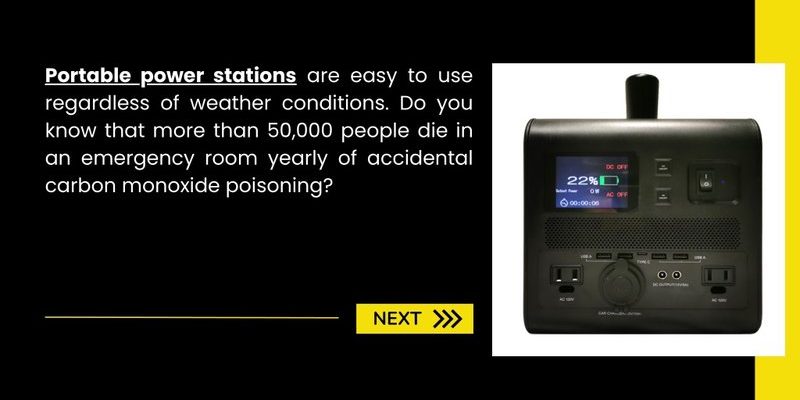
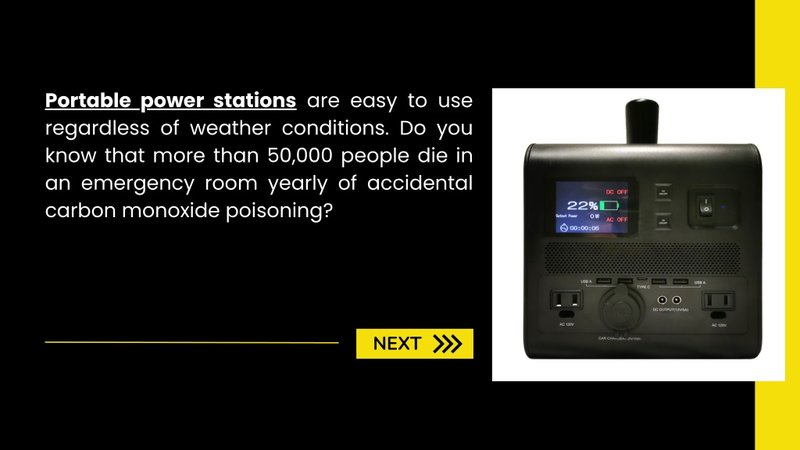
Here’s the thing: generators and power stations might seem similar at first glance—they both turn something (fuel or stored energy) into electricity you can use. But there are some big differences to know, especially if you’re living or working in a zip code like 10001. So, before you drag a Jackery Explorer up your fifth-floor walkup, let’s walk through what really matters.
Understanding Power Stations vs. Generators
Let me explain how these two backup power options stack up. A power station is basically a giant battery with a brain. It stores energy, then uses built-in electronics (an inverter) to turn that stored juice into AC power for your devices. No gas, no fumes—just plug and play. Popular brands like Goal Zero, Anker, and EcoFlow are everywhere now, especially for folks who want something portable and easy.
A generator, on the other hand, is a mini engine. It runs on gasoline, propane, or even diesel. When you fire it up, it creates electricity on the spot by burning fuel. This makes it powerful—but also noisy, heavy, and, honestly, a bit messy. In New York City, running a gasoline generator on your apartment balcony isn’t just a bad idea—it’s often against building rules and city codes.
The biggest difference? Power stations are silent and emission-free, but their capacity depends on their battery. Generators last as long as you’ve got fuel, but they’re far less neighbor-friendly. It’s kind of like the difference between an electric car and a gas guzzler: both get you moving, just in very different ways.
Common Use Cases in Zip Code 10001
So, what do people in Manhattan actually use backup power for? Life in 10001 is a mix of apartment living, small businesses, and the never-ending hum of city infrastructure. You might be wondering if a power station can handle your daily needs when the grid goes down or if you’re out and about.
Picture this: the power cuts out during a thunderstorm, and you need to keep your Wi-Fi on for work. Or maybe you’re running a booth at a weekend market in Chelsea, and your phone’s about to die. Here’s where power stations shine—they’re perfect for:
- Charging laptops, phones, tablets, and Wi-Fi routers
- Powering small appliances like mini fridges or LED lights for a few hours
- Running CPAP machines or other essential medical devices during brief outages
- Outdoor hobbies—picnics in Madison Square Park or photo shoots where outlets aren’t handy
Generators are better for larger, longer outages—think fridges, sump pumps, or multiple appliances at once. But in most NYC scenarios, a power station covers the basics without inviting a visit from the building super or the FDNY.
Local Rules and Practical Limitations
Honestly, one of the biggest hurdles for using a generator in 10001 isn’t technical—it’s legal. NYC has strict rules on fuel storage and emissions. Gasoline generators are mostly banned indoors, and even running one outdoors (like on a balcony or fire escape) breaks city codes and many building leases. Nobody wants a fire hazard or carbon monoxide risk in a densely packed apartment block.
Power stations, though, are treated like electronics. You won’t run afoul of the fire code by charging your EcoFlow in the living room. They’re silent, don’t smell, and are as safe as any large lithium battery—assuming you use common sense and follow the brand’s basic instructions.
The catch? The amount of power a station can deliver is limited by its battery. Need to run your fridge all night? Most power stations will tap out in a few hours. If you just want to charge your phone and laptop or keep the Wi-Fi humming, you’ll be fine. For larger needs, you’d either need a very high-capacity (and expensive) power station, or you’d combine several units.
Comparing Power, Capacity, and Runtime
Let’s get a little more practical. Imagine you’ve got a Jackery Explorer 1000, which is a popular mid-range power station. How does it really stack up against a small generator?
A power station is like a full water jug. Once you pour it out, you’ll need to refill it (by recharging). A generator is more like a water faucet—keep the fuel coming, and the water keeps flowing.
With about 1,000 watt-hours, that Jackery can:
- Charge a phone 100+ times
- Keep a modem and Wi-Fi router running for 15+ hours
- Power a laptop for 8–10 cycles
But plug in a space heater or a full-size fridge, and you’ll drain it much faster—maybe just a couple of hours. In contrast, even a small 2,000-watt generator will run most home appliances as long as you’ve got fuel, but you can’t store fuel in large quantities in a Manhattan apartment for obvious reasons.
If you’re thinking of using a power station instead of a generator, get realistic about what you need to power, how long you need it, and how often you’re okay with recharging the battery. For most city dwellers, a power station is perfect for short blackouts or outings, but won’t substitute for a home backup generator in the suburbs.
Key Features to Look For in a Power Station
If you’re ready to shop, not all power stations are created equal—especially when it comes to surviving in zip code 10001. Here’s what to keep an eye out for:
- Capacity (Watt-Hours): The higher, the better if you want longer runtime. Don’t just look at the number—think about what you’ll actually use it for.
- Output Ports: Check for a mix of AC, USB, and DC outlets, so you can plug in everything from laptops to routers.
- Weight and Portability: Can you haul it up stairs or carry it to a park? Some higher-capacity models are pretty hefty.
- Recharge Options: Most recharge from a wall outlet, but some also accept solar panels—nice if you want to go greener or prepare for longer outages.
- Safety Features: Look for overcharge, short-circuit, and temperature protections. Modern brands like Anker and EcoFlow have these built in, but always double-check.
Let me give you a quick code analogy: Choosing a power station is like pairing your remote to your TV. Not every remote syncs perfectly, so you need the right “code” (aka, specs and compatibility) for a smooth setup. Buy too little, and you’ll be troubleshooting when you need juice the most.
Typical Troubleshooting and Maintenance
Power stations are pretty low-maintenance, but stuff happens. Batteries degrade over time—just like your phone’s battery does after a few years. If your power station won’t hold a charge, or if it’s not delivering the power you expect, there are usually a few easy things to check:
- Reset the device: Sometimes a hard reset clears glitches, just like rebooting a computer.
- Check all cables and connections: Loose or frayed cords can interrupt the sync between the battery and your devices.
- Update firmware: Some higher-end power stations can be updated with new code for better efficiency and troubleshooting errors.
If the battery’s totally dead after a few years of use, some brands allow battery replacement, while others do not—so check before you buy. And always store your power station partly charged, not completely empty or full, to keep the battery healthy.
When Should You Still Use a Generator?
You might be wondering: is there ever a case for a generator in zip code 10001? For most people, probably not. The only real exceptions are commercial or construction sites with special permits, or maybe an outdoor event that can cordon off a safe outdoor space. Even then, the noise and fumes usually make generators awkward at best.
For anything residential, especially in high-rises or apartments, power stations are the clear winner. If you absolutely need to run high-wattage appliances for long stretches—like keeping a full-size fridge alive for days during a blackout—it might make sense to look into alternate solutions, like high-end standby batteries (think Tesla Powerwall), or to plan for shorter outages with a well-chosen power station and some spare batteries.
The Future of Backup Power in Urban Areas
Honestly, the trend is moving rapidly toward clean, battery-based solutions. With improvements in lithium batteries and advances in recharge tech, options like the EcoFlow Delta or Jackery Explorer series offer more power, less hassle, and way less risk compared to old-school gas generators.
NYC’s focus on air quality, safety, and sustainability means the days of gas generators in places like zip code 10001 are probably numbered. Power stations are getting lighter, smarter, and more affordable every year, making it way easier for city dwellers to stay connected when the grid goes down.
That said, we’re not totally off the hook—if you need backup power for medical devices or truly critical needs, always have a backup plan. Think of a power station as your “Plan B+” for short-term emergencies, not a full-on generator replacement for days-long outages.
Wrapping Up: Does a Power Station Replace a Generator in Zip Code 10001?
Here’s the bottom line: For most people living or working in Manhattan, especially in zip code 10001, a power station absolutely makes more sense than a traditional generator. It’s quiet, safe, legal, and easy to use—perfect for charging devices, keeping the Wi-Fi alive, and powering small essentials. Just remember, all that convenience comes with a trade-off: once the battery is empty, you’ll need to recharge before you’re back in business.
If you’re hoping to run your fridge, air conditioner, and all your lights for days on end, a power station won’t get you all the way there. But for blackouts, trips to the park, or working at a street fair—grab a reliable unit from a brand like Jackery or EcoFlow, keep it charged, and you’ll be set. In NYC, where space and peace of mind are at a premium, these modern battery power stations are as close as you’ll get to having your (literal) power cake and eating it too.

