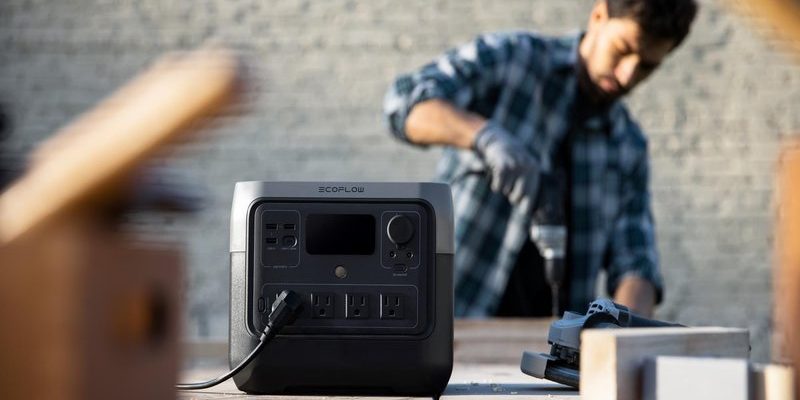
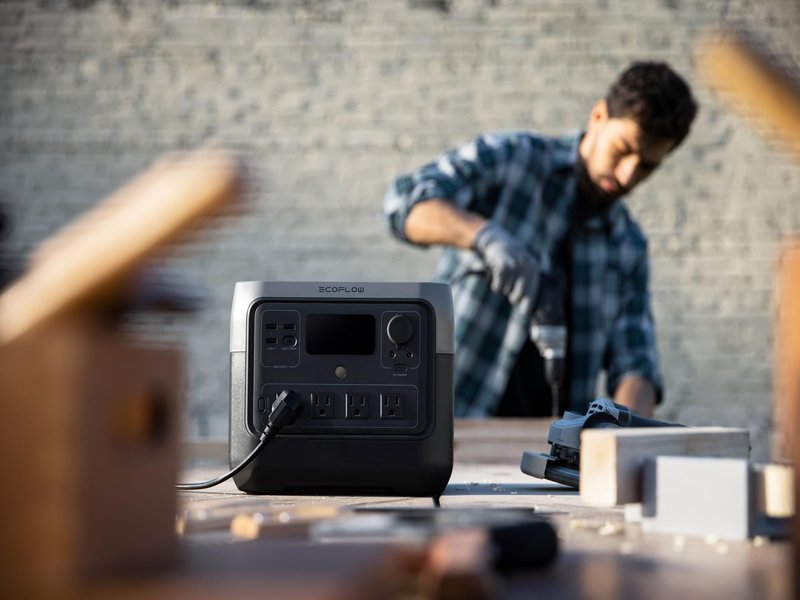
There are several reliable ways homeowners can keep the lights on, even during an outage. From portable generators to backup battery systems, the choices can seem overwhelming at first glance. You may feel like you’re trying to navigate a maze, but don’t worry! Let’s explore these options together, making it easy for you to understand what could work best for your needs.
Portable Generators: The Go-To Choice
Let’s start with the most popular option: portable generators. These handy devices are like your trusty sidekick during a power outage. They can be fueled by gasoline, propane, or natural gas and provide sufficient power to run essential appliances. Imagine being able to keep your refrigerator and lights on, as well as charging your devices—all thanks to this little lifesaver.
When choosing a portable generator, consider the wattage you’ll need. A typical refrigerator might require around 600 watts, but when you add in lights, a small heater, or your TV, you could need around 2000 to 3000 watts. It’s wise to make a list of essential appliances and their wattage so you can select a generator that fits your requirements.
Remember to also think about safety. Always use generators outdoors to prevent carbon monoxide buildup inside your home. It’s like having a barbecue grill; you wouldn’t use it indoors, right?
Whole House Generators: A Permanent Solution
If you’re looking for something a bit more secure, consider a whole house generator. Unlike portable generators, these are permanently installed and automatically kick in when the power goes out. You can think of them as your home’s insurance policy against outages.
Whole house generators use natural gas or propane, making them a reliable option. They can power your entire home, keeping everything running smoothly—imagine never having to scramble for flashlights or candles again!
Installation can be a bit of a project, but it’s worth it for the peace of mind. You’ll want to work with a professional to assess your home’s electrical needs and ensure that the generator can handle the load. Once it’s set up, you can simply forget about it until you need it—just like your smoke detector.
Battery Backup Systems: A Modern Option
You might be wondering if there’s a more tech-savvy approach to emergency power. That’s where battery backup systems come into play. These systems store energy for when the grid goes down, sort of like charging your phone overnight so it’s ready to go in the morning.
Battery backups, such as the Tesla Powerwall or similar products, can be a great investment, especially if you’re considering solar panels. They allow you to store energy generated during the day for use at night or during outages. Plus, they run quietly and don’t produce harmful emissions, making them an eco-friendly choice.
However, keep in mind that battery systems can be pricey and usually require professional installation. They also tend to have a lower capacity than generators, so you’ll need to prioritize which appliances matter most to you during an outage.
Solar Generators: Harnessing the Sun
For homeowners who want to go green, solar generators offer an exciting alternative. Using solar panels to capture sunlight and convert it into electricity, these systems can power your home without relying on fossil fuels. It’s like having your own mini power plant right on your roof!
Solar generators are quiet and emit no pollution, making them a great choice for eco-conscious households. But here’s the catch— solar generators depend on sunlight. If you live in a particularly cloudy area or experience a long outage, you may find them less reliable than traditional generators.
If you’re considering this option, think about investing in both solar panels and a battery backup. This combo will allow you to charge the batteries during sunny days and use that power when needed.
Inverter Generators: Quiet and Efficient
If noise is a concern for you (and it often is), consider an inverter generator. These generators are designed to run quietly and produce clean, stable power, which is fantastic for sensitive electronics. Think of them like the high-end speakers of the generator world—they deliver great sound without distortion.
Inverter generators adjust their output to match the power needed, making them fuel-efficient and less noisy than traditional generators. This efficiency can be particularly useful for short power outages or when you’re just trying to keep the essentials running.
However, they do have limitations in terms of power output, so if you have many appliances to run simultaneously, you’ll need a larger model or multiple units.
Fuel Options: What You Should Know
When deciding on an emergency power option, fuel type is a crucial factor. Here’s a quick rundown on the main types:
- Gasoline: Widely available but can be difficult to store safely over time.
- Propane: Cleaner and has a longer shelf life; however, it requires a storage tank.
- Natural Gas: Convenient for whole house generators but may not be available in all areas.
- Solar: An eco-friendly option but dependent on weather conditions.
Each fuel option has its own pros and cons, so consider what’s most convenient and safe for your home. For example, if you have space for a propane tank and can manage it safely, that might be a solid choice for your whole house generator.
Final Thoughts: Choosing the Right Option for Your Home
Navigating the world of emergency power options can be a bit like shopping for a car; there are so many choices, and the best option depends on your unique needs. Whether you opt for a portable generator, a whole house generator, or a battery backup system, understanding your power requirements is essential.
Take stock of your home, think about your lifestyle, and decide which option makes the most sense for you. With some careful planning, you can ensure that your home remains a safe haven, even when the lights go out. After all, nobody likes to be left in the dark!

