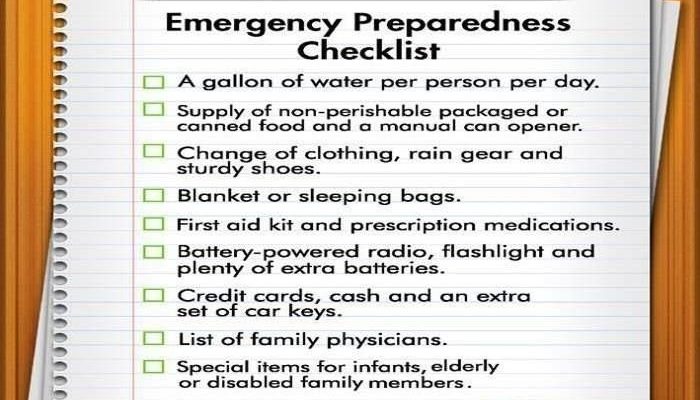
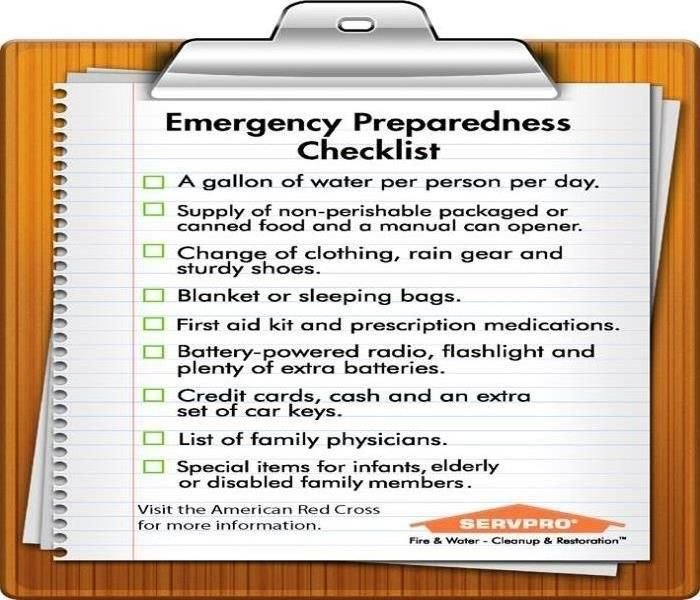
Honestly, a blackout is one of those things you can’t really imagine until it happens. And when it does, every little bit of preparation helps. I don’t mean building a bunker or collecting canned beans like an urban doomsday prepper, but just having a simple, well-thought-out checklist. In the heart of 10001, you don’t have a backyard generator or a woodpile, so your blackout survival plan needs to fit your New York reality—a cozy apartment, a cluttered closet, maybe a universal remote that always needs a fresh sync.
Let me walk you through what goes in a truly practical 10001 blackout survival kit, how to use each tool or trick, and a few troubleshooting steps to keep your gadgets (and your cool) working when the grid goes dark.
Basic Blackout Supplies for 10001 Residents
Here’s the thing: power outages in 10001 can feel different from suburban blackouts. You’re in an apartment, not a sprawling house, and space is tight. That means every item you stash for emergencies should earn its spot.
- Flashlights and Batteries: Keep at least two flashlights—one in the kitchen, one by your bed. Don’t rely solely on your phone’s flashlight; it’ll drain your battery way too fast. Test your flashlights every month and stock up on extra batteries (AA, AAA, and whatever your flashlight takes). If you use a remote for your TV or AC, keep those batteries handy too.
- Bottled Water and Nonperishable Food: In a pinch, water delivery and groceries can be delayed. Tuck away a couple of gallons of water (swap them out every few months), along with granola bars or shelf-stable snacks. This isn’t about fine dining—it’s just getting you through a day or two.
- Manual Can Opener: You never realize how much you count on electric gadgets until the power’s out. A $5 manual can opener can save dinner when that soup can suddenly looks like a puzzle box.
You might be surprised how comforting those basics can feel when there’s no light but a tiny flashlight glow. Sometimes, it’s the small stuff—like changing your dead remote battery in the dark—that saves your sanity.
Staying Connected: Phones, Radios, and Power Banks
When Manhattan goes dark, information becomes just as precious as food or water. Keeping even one device alive can help you call for help, check news updates, or just binge old memes to stay calm.
- Power Banks: These are your blackout MVPs. Charge a decent-sized one ahead of time and keep it in your go-bag. If you have extras, charge them all—the first few hours of a blackout are when everyone’s trying to call relatives. If you’re using a universal remote, be ready to sync it to your TV or AC in case devices reset after the outage.
- Hand-Crank or Battery-Powered Radios: Old-school? Absolutely. But when data goes down, a radio gives you access to emergency broadcasts. Go for models that run on AA batteries (so you can swap them between devices if the need gets desperate).
- Charging Cables and Adapters: Toss all your must-have charging cables—USB-C, Lightning, micro USB—into one pouch. If you need to reset or pair smart home remotes, you’ll want your phone and tablet powered up enough to run troubleshooting apps.
You might be wondering, “Will cellular networks go down too?” Sometimes yes, often no. Even if the grid is out, cell towers might run on backup power—so keep your gadgets ready for action.
Blackout Lighting: Safe Options for Urban Spaces
There’s something eerie about a New York blackout—the glow of headlights rising 20 floors, the blue haze from a neighbor’s candle. But candles can be risky in tight city apartments (especially if you’re already navigating the kitchen by sound).
- Battery-Powered Lanterns: Way safer than candles, and they light up a whole room. Look for ones with adjustable brightness so you don’t blind yourself walking to the bathroom. If you have a universal TV remote with a built-in light (yes, they exist), make sure it’s synced and working for extra convenience.
- LED Puck Lights: These little guys can stick to walls, under cabinets, or anywhere you need light. They’re perfect for hallways or closets. Keep extra batteries on hand for these too—10001 apartments don’t forgive a misstep in the dark.
- Headlamps: Not just for hiking—wearing a headlamp means your hands stay free for carrying water, flipping through remote control manuals, or just finding your slippers.
Pro tip: Avoid open flames if possible. There’s no shame in using battery lights, and honestly, it just keeps everyone safer.
Food and Water Tips During a Blackout in 10001
Let’s talk about food—because nothing makes a blackout more miserable than a growling stomach. In a city like New York, where fridges are often tiny and delivery isn’t coming, you need a plan.
- Eat Fridge Foods First: As soon as the power goes out, try to eat perishable foods first—milk, yogurt, leftovers. Your fridge will keep things cold for four hours if you keep the door shut.
- Long-Term Snacks: After the first few hours, switch to pantry items—crackers, nut butter, canned beans. These won’t win awards, but they’ll keep your energy up. Don’t forget a manual can opener!
- Water Storage: Most Manhattan buildings rely on electric pumps for water above the first few floors. As soon as the lights flicker, fill your bathtub and any big pots with water, just in case. Emergency bottled water is your backup.
You may need to adjust how you eat and drink—no microwave meals or hot showers. Save your battery-powered gadgets (like that universal remote) for when you actually need them.
Staying Comfortable and Entertained Without Power
Here’s where city folks get creative. A blackout doesn’t have to feel like solitary confinement—unless you let it.
- Stay Cool (or Warm): In summer, wear lightweight clothes and open windows for airflow—if it’s safe. In winter, layer up and pull out blankets. No power means no AC or heat, so think ahead when seasons change.
- Books, Board Games, and Offline Fun: Download e-books ahead of time, or keep a few paperbacks around. Board games (yes, even solo ones) are lifesavers. If your universal remote supports local games or offline media, make sure it’s synced and ready—sometimes these remotes need a quick reset after power loss.
- Social Connection: Chat with neighbors (from your doorway or a safe distance). Swap tips, share snacks, or just swap blackout stories. You’re not alone in the dark, and sometimes, that’s the best comfort.
A little planning means you can actually enjoy a break from screens—at least until the Wi-Fi comes back.
Essential Medical and Safety Supplies
When the lights go out, safety creeps up the priority list. For 10001 residents, the biggest risks are tripping and running out of key medicine.
- First Aid Kit: Keep a basic kit—bandages, antiseptic, pain relievers. If you take prescription meds, always have a few days’ extra supply on hand in case pharmacies close.
- Medications and Special Needs: Make a list of your meds, allergies, or conditions—take a photo with your phone for easy access. If you need refrigerated meds, ask your pharmacist what to do during an outage.
- Emergency Contacts: Write down (don’t just save) the numbers for local hospitals, building management, and neighbors. If your phone dies, you’ll want a hard copy. Some smart remotes can store emergency contacts—worth checking if yours is a newer model.
Here’s the thing: Even if you feel invincible, a little preparation makes a huge difference when something unexpected happens—especially in a blackout.
Blackout Troubleshooting for Small Devices and Remotes
Honestly, you’d be amazed at how often little tech headaches pop up during power outages—especially in 10001, where so much runs on the grid. Universal remotes, smart home devices, and even basic TV remotes can all act up after a blackout.
- Replacing Batteries: If your remote stops working after a blackout, swap in new batteries first. It’s almost always the culprit, especially with heavy use during downtime.
- Reset and Pair Remotes: Sometimes a power surge can unsync your universal remote. Find the reset button (usually a paperclip-sized hole on the back), press and hold for 10 seconds, and follow the pairing instructions for your TV or AC. Grab a flashlight so you’re not fumbling in the dark.
- Manual Controls: If your remote totally fails, look for the physical buttons on your TV, AC, or sound system. Most newer devices hide them on the side or back. Knowing where they are ahead of time can save you a lot of frustration.
If you have a smart home remote (brands like Logitech Harmony, Philips, or RCA), check if they support offline or battery-powered modes before a blackout. Some universal models even let you sync with devices via Bluetooth, which is handy if Wi-Fi goes down too.
What to Do When Power Returns
It’s tempting to celebrate the second the lights come back—but a little caution can save time and trouble.
- Check Appliances Before Use: Don’t rush to restart everything at once. Surge currents can trip your circuit breakers. Turn devices on one at a time and check for weird noises or error codes, especially with smart TVs or routers that use universal remotes.
- Replace Used Supplies: Re-stock any snacks, water, or batteries you used. Update your blackout checklist so the next event isn’t a scramble.
- Inspect and Reset Devices: If your remote or other gadgets lost their settings, do a quick reset or pairing process. Usually, this just means holding down the sync button and following on-screen instructions—simple, but easy to forget in the chaos.
Sometimes, outages will trip your Wi-Fi or kill settings on smart remotes. Take a breath, do a slow power cycle, and don’t panic if everything doesn’t work perfectly right away.
Closing Thoughts: Blackouts in 10001 Don’t Have to Be a Nightmare
Blackouts in Manhattan’s 10001 zip code are unpredictable, a little unnerving, and—for most people—completely manageable with a bit of planning. Whether you’re swapping flashlight batteries, syncing your universal remote, or just sharing snacks with neighbors by candlelight (er, LED lantern), it’s those small steps that keep things from slipping out of control.
Think of your blackout survival checklist as a kind of urban insurance: you might never use everything, but when you do, you’ll thank yourself for the prep. Stay safe, check your supplies, test your gadgets—and don’t forget, sometimes a little darkness makes those city lights feel even sweeter when they finally flicker back on.

