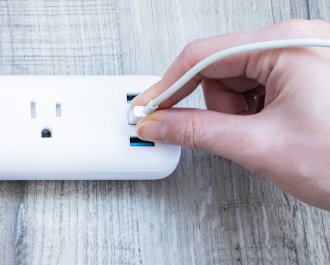
Let’s break down what a power surge is. It’s like a sudden spike in voltage—think of it as a burst of energy that exceeds the normal flow. This surge can come from an array of sources: lightning strikes, downed power lines, or even large appliances like air conditioners starting up. When these surges hit, they can damage or destroy sensitive electronics, leading to costly repairs or replacements. So, how can you safeguard your appliances against these unexpected jolts? Let’s dive into some practical strategies that are easy to implement.
Understanding Power Surges
Before we jump into protection tips, it’s important to understand what a power surge really is. A power surge generally refers to an increase in voltage that exceeds the standard level. In a typical household, the voltage runs around 120 volts. During a surge, this can spike significantly—sometimes up to 1,000 volts! Why does this matter? Well, most household appliances are not designed to handle such extremes.
Surges can happen for various reasons. For instance, during stormy weather, lightning can strike power lines, causing a sudden discharge of electricity. This might be a force of nature, but it’s also something within your control. Certain devices, especially those with motors, can also cause surges when they turn on. Think about your refrigerator or HVAC system—they all draw a lot of power when they start up, which can lead to fluctuations in the electrical current.
So, why should you care? Well, if your appliances are caught off guard by a surge, their internal components can be damaged. This damage might not be immediate; sometimes it can lead to gradual wear and tear, shortening the lifespan of your valuable gadgets. Let’s explore how to protect what you own.
Surge Protectors: Your First Line of Defense
When it comes to protecting your appliances in the 60601 area, surge protectors are your best friend. Think of them as the bouncers at a club, screening out unwanted guests—in this case, unwanted voltage. They come in various shapes and sizes, from small power strips with built-in surge protection to whole-home surge suppressors.
A good surge protector can absorb excess voltage, redirecting it away from your devices. When shopping for one, look for these features:
- Joule rating: This indicates how much energy the surge protector can handle. Higher is better, so aim for at least 1,000 joules.
- Clamping voltage: This is the voltage level at which the surge protector kicks in. The lower, the better—around 330 volts is ideal.
- Response time: A faster response time means your devices are protected more quickly. Look for protectors that respond in nanoseconds.
You might wonder if you need a surge protector for every appliance. The answer is yes! Especially for sensitive electronics like computers, TVs, and gaming consoles, plugging them into a surge protector can really pay off in the long run.
Whole-House Surge Protection
For a more comprehensive solution, consider investing in whole-house surge protection. This is a professionally installed device that connects directly to your home’s electrical panel, safeguarding everything from small appliances to major systems like HVAC units.
The beauty of whole-house protection is that it stops surges before they reach your devices. This can be particularly helpful in areas like 60601, where storms are common, and energy demands can fluctuate. It’s a reliable way to blanket your home in protection, especially for those high-value appliances that run often.
Keep in mind that while whole-house protection is effective, it doesn’t replace the need for individual surge protectors for sensitive electronics. It’s more of a layered defense strategy—think of it as wearing both a helmet and a seatbelt for maximum safety.
Avoiding Common Mistakes
Even with surge protectors in place, there are common mistakes that homeowners in 60601 might make when trying to protect their appliances. Let’s highlight a few to avoid:
1. Neglecting Maintenance: Just like you change the oil in your car, surge protectors need checks, too. Many have indicator lights that tell you when they’re no longer effective. If that light is off, it’s time for a replacement.
2. Overloading Circuits: Plugging too many devices into a single surge protector can be risky. Each protector has a maximum load, and exceeding this can make it ineffective. Spread out your devices across multiple outlets.
3. Ignoring Smaller Devices: Don’t just focus on your big-ticket items. Small appliances like microwaves, toasters, and even chargers can be affected by surges. Protecting even minor gadgets can save money in the long run.
Unplugging During Storms
During storm season, it’s wise to go the extra mile. Simply unplugging devices can provide an added layer of security. If a severe storm is on the way, disconnecting appliances from the wall can prevent damage from unexpected surges.
This might sound inconvenient, especially for devices that are hard to reach—like big-screen TVs mounted on walls. However, it’s a small sacrifice compared to the potential cost of repairs or replacements. Remember, it only takes a few seconds to unplug, but the protection it provides can be priceless.
You might be wondering: “Is this really necessary?” Well, if you value your electronics and want to avoid headaches down the line, it’s definitely worth considering.
Regular Electrical Inspections
Another proactive step you can take is to schedule regular electrical inspections. Just like you would check your car for issues periodically, your home’s wiring needs a little TLC, too.
An electrician can look for any weak points in your system that could increase the risk of power surges. They can also ensure that your surge protectors are properly installed and functioning as they should. Plus, they can address any outdated wiring that may not handle modern electrical loads well.
Having these checks done can give you peace of mind. You’ll know that your home is set up to handle the electric demands of modern life, and that you have the right protections in place to shield your appliances from harm.
In a bustling city like Chicago, safeguarding your appliances from power surges is crucial. By understanding what creates these surges and implementing protective measures, you not only protect your gadgets but also save money and avoid frustration down the line.
From using surge protectors and whole-house systems to unplugging devices during storms and scheduling regular inspections, there are plenty of ways to shield your home. Remember, every little bit helps—like building a fortress around your valuable appliances. So take these steps to heart, and let your home thrive without the threat of unexpected surges. You’re not just protecting electronics; you’re ensuring a smooth and hassle-free life in your cozy 60601 haven.

