Solar backup systems harness the sun’s energy, storing it for when you need it most. Think of them as a battery for your home—one that gets charged all day by sunshine and can keep your lights on when the grid goes down. So, how does this work in a place like Houston, known for its bright, sunny days? Join me as we dive into the ins and outs of solar backup systems and see if they’re worth considering for your home.
Understanding Solar Backup Systems
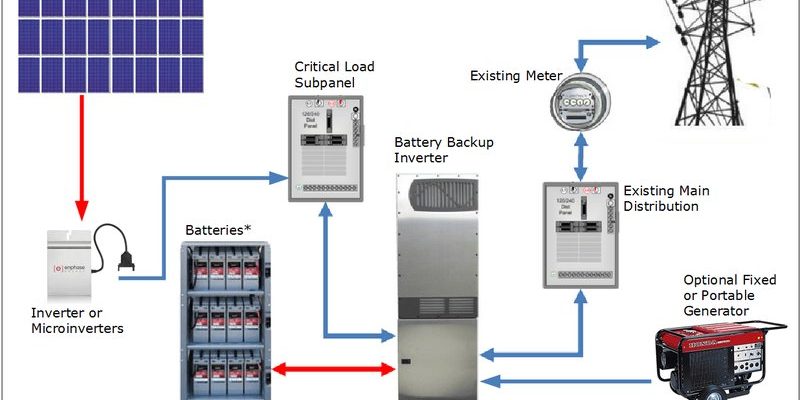
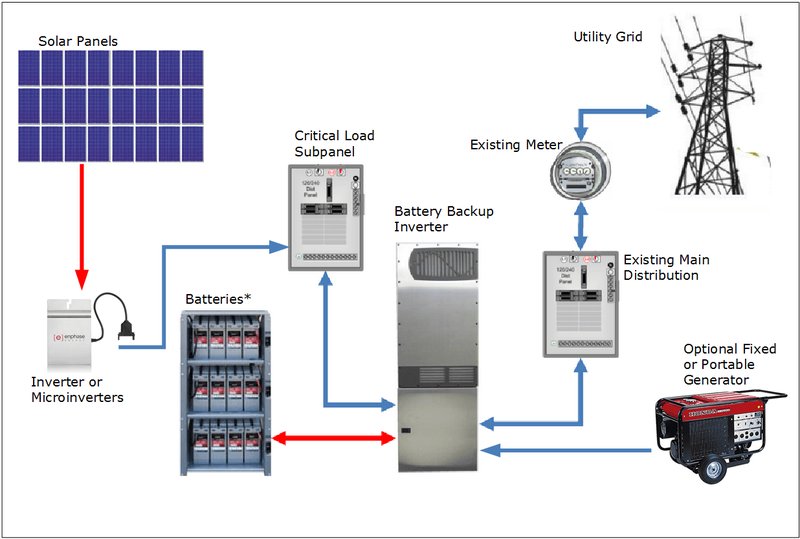
Solar backup systems consist of solar panels and battery storage. The panels convert sunlight into electricity, which is then used to charge the batteries. When the sun sets or a power outage strikes, you draw power from these batteries to keep everything operational at home.
The key benefits? First, you reduce your reliance on the grid, which is especially important in areas prone to storms or outages. Secondly, you’re helping the environment by using renewable energy. And let’s not forget about potential savings on your electricity bill over time. Here’s the thing: in a sunny place like Houston, a solar backup system can be an excellent investment.
But choosing the right system isn’t just about buying solar panels. You’ll need to consider the capacity of the batteries, compatibility with your home’s current electrical system, and, of course, local regulations. Different systems may work better for different homes, so it’s essential to do a bit of research.
Sunshine and Savings: Is Houston Suitable for Solar?
When thinking about installing a solar backup system, the first question is often about sunlight. Houston enjoys a fantastic amount of sunny days each year—about 204 days! This abundance of sunlight means that solar panels can perform efficiently throughout the year.
However, it’s not just the sunny days that matter; it’s also about how much energy you use. If you have a larger home or you run several appliances simultaneously, you’ll need a more robust system. A good rule of thumb is to analyze your average energy consumption. Comparing this to the output of potential solar panels will help you determine the best setup for your needs.
You might be wondering about cost. While the initial investment can be significant, the long-term savings on your energy bills—especially with solar incentives and rebates—can make it worthwhile. Plus, there’s something satisfying about knowing you’re reducing your carbon footprint while keeping your home powered.
Types of Solar Backup Systems
There are various solar backup systems to consider, so understanding your options is vital. Here are some popular types:
- Grid-Tied Systems: These are connected to the main electricity grid. They work well in normal operations but won’t power your home during an outage unless paired with batteries.
- Off-Grid Systems: This type relies solely on solar energy and batteries, perfect if you want complete independence from the grid.
- Hybrid Systems: These combine both grid-tied and off-grid features. They can store energy in batteries for use during outages, while also allowing you to draw power from the grid.
Each system has its pros and cons, but in a place like Houston, hybrid systems are becoming increasingly popular. They give you the flexibility of using both solar generated power and utility power as needed, without sacrificing backup during outages.
Installation Considerations for Houston Homes
Installing a solar backup system isn’t as simple as just buying some panels. You’ll want to factor in the installation process, costs, and local regulations. The first step is to consult with a licensed installer experienced with solar systems in Houston. They can help assess your roof’s condition and orientation, which significantly affect panel performance.
Here’s where things get interesting: Houston enjoys specific incentives for solar installations, such as the Texas property tax exemption for solar energy systems. This means your solar setup won’t increase your property taxes, which is a huge plus.
Additionally, there’s the federal solar investment tax credit (ITC), allowing you to deduct a significant percentage of your solar installation costs from your federal taxes. These incentives can lower the upfront costs of installation and make solar backup systems much more affordable.
Common Concerns and Misconceptions
You might have some nagging doubts about jumping into solar backup systems. Let’s address a couple of common concerns.
First, there’s the issue of reliability. Some folks worry that solar systems won’t work when it’s cloudy or raining. While it’s true that solar output decreases during cloudy days, modern solar panels are designed to capture energy even in less-than-perfect conditions. Plus, with a battery system, you can store excess energy generated during sunny days to use when it’s overcast.
Another concern is about the aesthetics of solar panels. Some homeowners are hesitant to put panels on their roofs due to appearance. However, many new designs are sleek and blend well with various architectural styles. Plus, with a little creativity, they can even enhance your home’s curb appeal!
Maintenance and Troubleshooting
Taking care of your solar backup system is relatively straightforward. Regular maintenance can help ensure efficiency and longevity. Most solar panels can last for 25 years or more with minimal upkeep. Here’s what you should be aware of:
1. Cleaning: Dust, leaves, and debris can accumulate on your panels. A quick rinse with water a couple of times a year can keep them efficient.
2. Inspections: Schedule professional inspections every few years to ensure everything is functioning correctly.
3. Monitoring: Many systems come with monitoring apps that let you track energy production and battery health, making it easier to spot potential issues.
If something goes wrong—like a sudden drop in energy production—don’t panic. Check the basics: Is the inverter working? Are the batteries charged? If you can’t pinpoint the issue, reach out to your installer for support.
Is Solar Backup Worth It in 77004?
Ultimately, deciding whether a solar backup system is the right choice for your home in zip code 77004 comes down to personal needs and circumstances. If you live in a storm-prone area or experience frequent power outages, having that backup could be invaluable.
Consider the amount of sunlight in your location, your average energy consumption, and your budget. With the right system, Houston’s abundant sunshine can translate into reliable, green energy for your home. It’s not just about being eco-friendly; it’s also about ensuring your comfort during unexpected outages.
As you weigh your options, remember that choosing a reputable installer and understanding your specific needs will make all the difference. In the end, being prepared for anything—whether that’s a sudden storm or a sunny day—can bring peace of mind that’s worth its weight in gold.
In summary, yes! A solar backup system can be a great option for homes in zip code 77004, blending practicality with sustainability. Who wouldn’t want to harness the power of the sun and keep their home running smoothly, no matter what?

