Here’s the thing: power surges are more common than you might think. They can happen due to various reasons like thunderstorms, utility company issues, or even just a faulty appliance. These little power spikes can affect everything from your washing machine to your television. In this article, we’ll break down the best ways to protect your appliances from power surges, ensuring they stay safe and sound, no matter what happens outside your walls.
Understanding Power Surges
Before diving into how to protect your appliances, it’s important to understand what a power surge actually is. Imagine a roller coaster: the calm ride represents normal electrical flow, while a surge is that heart-stopping drop. A power surge happens when the voltage in your electrical system rises significantly above the norm, often exceeding 120 volts. This can occur suddenly, lasting just a fraction of a second, but the consequences can be dire for your devices.
Power surges can originate from various sources. Natural events like lightning strikes, which can send shocks through power lines, or more everyday occurrences like a large appliance turning on and drawing extra power. These surges can lead to overheating, permanent damage, or even complete appliance failure. Knowing this can help you appreciate the importance of protecting your devices.
At this point, you might be wondering how prevalent power surges are in the 30304 area. Metro Atlanta experiences its fair share of thunderstorms, which can lead to frequent electrical disturbances. Simply put, if you live in this area, it’s wise to consider some extra precautions.
Investing in Surge Protectors
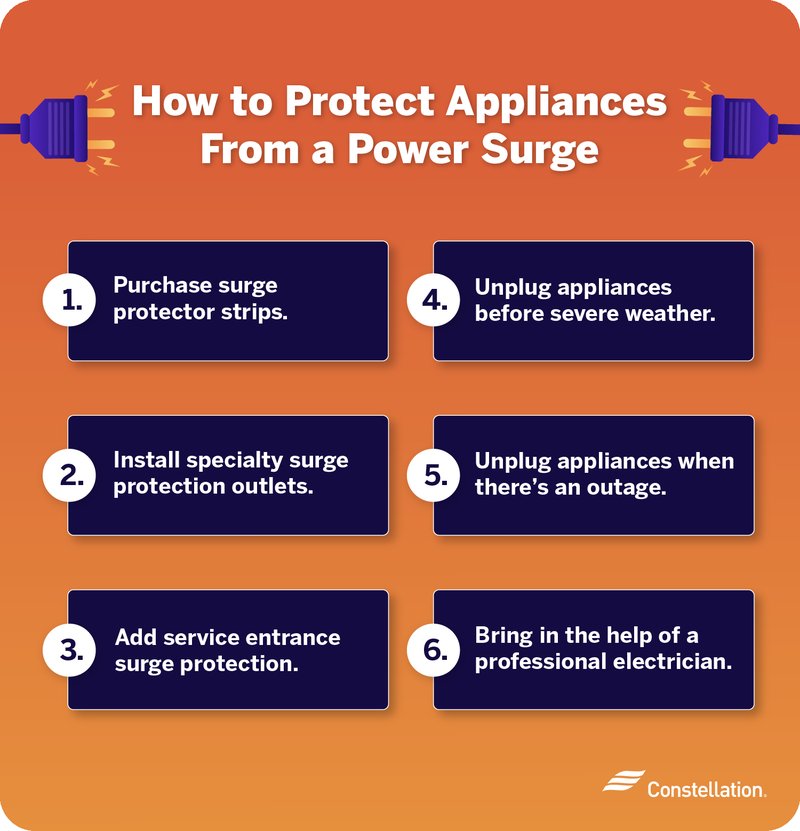
One of the most effective ways to protect your appliances is by using surge protectors. Think of them as the bouncers of your electrical system, filtering out the unwanted voltage. A good surge protector can prevent those dangerous spikes from reaching your appliances.
When shopping for surge protectors, look for models that offer a high joule rating. The higher the joule rating, the better the protector can handle surges. For most household appliances, a surge protector with at least 2,000 joules is a solid choice.
Moreover, each surge protector is equipped with a response time, which tells you how fast it can react to a surge. Aim for protectors with a response time of less than one nanosecond. This speed is crucial because it means the surge is stopped before it can do any damage. Just plug your appliances into the protector, and voilà—your devices are safer!
Whole-House Surge Protection
For those looking for a more comprehensive solution, consider whole-house surge protection. This option is like installing a security system for your entire electrical system. A whole-house surge protector is typically installed at your electrical panel and can fend off surges before they even enter your home.
The installation of such a system usually requires a licensed electrician, but the investment can pay off in the long run. It protects not just your appliances but also your home’s wiring. Think about it this way: if a surge breaks through your external defenses, having a whole-house protector can still stand guard.
While a whole-house surge protector is a bit pricier upfront than plug-in models, it offers extensive coverage. If your home in 30304 experiences frequent storms, it’s an option worth considering.
Unplugging During Storms
Sometimes, the simplest solutions are the most effective. If you know a storm is on the way, consider unplugging your appliances. Picture it as a digital detox for your gadgets. Just like you’d turn off your computer during a thunderstorm, doing the same for your appliances can prevent damage.
This method might be a bit cumbersome, especially if you have a lot of devices, but it’s straightforward. Unplugging prevents any surge from reaching your appliances. If a storm rolls in unexpectedly, having a checklist to remind yourself to unplug critical devices can save you a headache later.
Also, be sure to unplug devices that might not have surge protectors, like microwaves or refrigerators. While it’s inconvenient, it can save you from expensive repairs down the line.
Regular Maintenance and Inspections
A solid maintenance routine can help your appliances withstand power surges better. Just like you take your car for regular check-ups, your home electronics deserve some TLC too. Start by keeping your wiring updated and in good condition. Over time, wear and tear can create vulnerabilities, making your devices more susceptible to damage.
Inspect your appliances regularly for signs of damage or wear. This includes frayed cords, loose connections, and any unusual noises. It might seem tedious, but identifying problems early can prevent disasters in the future.
Additionally, consider having a professional electrician examine your electrical system every few years. They can identify hidden issues and ensure everything is up to code. Trust me, this proactive approach can save you money and hassle later.
Smart Home Solutions
As technology improves, so do the solutions available for protecting your appliances. Smart home systems now offer features that can help monitor for power surges. Some smart plugs come with built-in surge protection and can even alert you if they detect a surge, allowing you to take action.
These devices can connect to your smartphone, providing real-time updates. For instance, if a storm is approaching, you might receive a notification suggesting you unplug devices. These smart solutions add a layer of convenience and peace of mind, especially if you’re often away from home.
Also, consider integrating surge protection into your smart home system. Many smart home hubs can help coordinate if a surge occurs, turning off power to certain devices automatically. This blend of technology and safety can keep your appliances secure.
Insurance Considerations
Lastly, it’s worth thinking about the financial aspect of protecting your appliances. Having proper insurance can be a lifesaver if a power surge does damage your devices. Many homeowners’ insurance policies cover electrical surges, but it’s important to check your specific policy details.
Consider adding or increasing coverage for personal property if you have expensive appliances. This step can protect you against the costs associated with replacing damaged devices.
As you might suspect, understanding your insurance options can help you recover quickly if the worst happens. Just like with home maintenance, being proactive is key to protecting your investments.
In conclusion, protecting your appliances from power surges in 30304 requires a combination of strategies. From investing in surge protectors to utilizing smart home technology, you have several options at your disposal. It might feel a bit overwhelming, but taking these steps ensures your appliances remain safe and functional. So, whether through whole-house protection, smart solutions, or simply unplugging during storms, you can keep your gadgets running smoothly for years to come.

