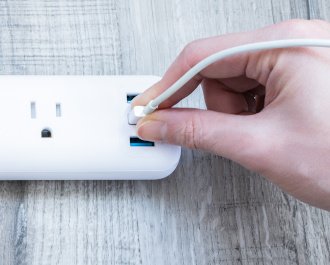
So what exactly is a power surge? Think of it as a sudden increase in electric voltage—like a sprint when everyone else is strolling. It can happen for a number of reasons: lightning strikes, downed power lines, or even just a malfunctioning appliance. These surges can range from brief spikes to longer-lasting fluctuations, and they can wreak havoc on your gadgets and appliances. But don’t worry! There are practical steps you can take to safeguard your home. Let’s explore how to protect your appliances from those pesky power surges.
Understand What Causes Power Surges
To protect your appliances, it’s crucial to know what causes power surges in the first place. This understanding can help you anticipate potential issues and take preventive measures.
Firstly, one of the most common causes is lightning strikes. When lightning hits a power line, it creates a massive surge that can travel through the electrical system. Even if you think you’re safe indoors, those surges can find their way into your home.
Secondly, power grid malfunctions can lead to surges. If a transformer fails or a line is damaged, the resulting fluctuation can send spikes through your outlets. Imagine a sports team going from a winning streak to losing in a heartbeat—it’s unexpected and can leave you feeling frustrated.
Lastly, large appliances themselves can instigate these surges. When machines like refrigerators or air conditioners kick on, they can create a sudden demand for power, resulting in a short spike that may affect other devices. Understanding these causes is the first step to preventing damage to your appliances.
Install Surge Protectors
One of the best defenses against power surges is to install surge protectors. These handy devices act like a protective barrier, absorbing excess voltage and redirecting it away from your electronics.
You can find surge protectors in many forms—from simple power strips to more advanced whole-house systems. For instance, a power strip with built-in surge protection is great for everyday electronics like computers and TVs. You might wonder, “How much can they really save me?” Well, a good surge protector can prevent damage that could cost thousands in repairs or replacements.
When choosing a surge protector, look for one with a high joule rating, which indicates how much energy it can absorb before failing. A higher joule rating means better protection. Also, consider features like indicator lights, which signal if the surge protection is still functioning. Remember, not all surge protectors are created equal—investing in a reliable one can save you money in the long run.
Consider Whole-Home Surge Protection Systems
If you live in zip code 48201, you might want to think bigger—like investing in a whole-home surge protection system. This type of system offers comprehensive protection by connecting directly to your electrical panel.
Here’s the thing: while individual surge protectors can help, they only protect the devices they’re plugged into. A whole-home system safeguards everything—your major appliances, home theater systems, and even your smart home devices.
Installation requires a licensed electrician, so it’s essential to factor in that added cost. However, the benefits can far outweigh the initial investment. Imagine not having to worry about whether a storm will fry your appliances or if a random spike will ruin your day. That’s the peace of mind a whole-home system can provide.
Unplug Appliances During Storms
When storms roll in, your first instinct might be to cozy up indoors. However, if you know a storm is approaching, it’s wise to unplug sensitive electronics. This simple action can make a huge difference.
Think about it: when the skies darken and lightning strikes, your appliances are vulnerable. By unplugging them, you cut off their connection to the electrical system, thereby protecting them from surges. You might find this inconvenient, especially if you have a lot of devices.
To make it easier, create a storm prep routine. Keep a list of the most important items to unplug, or use power strips that can be switched off with a single flick. This way, you can protect your appliances without a last-minute scramble.
Regular Maintenance of Electrical Systems
Like any other system in your home, your electrical system needs some TLC. Regular maintenance can help catch issues before they lead to damaging surges.
Start by scheduling an annual inspection with a qualified electrician. During this inspection, they can assess your wiring, check for outdated equipment, and ensure that everything is functioning correctly. If any problems are detected, addressing them early can save you from bigger, costlier issues down the line.
Additionally, keeping your home’s electrical panel up to date is crucial. Older panels may lack the capacity to handle modern devices, leading to possible power fluctuations. Upgrading your panel, while an investment, can provide better performance and safety.
Use Dedicated Circuits for Major Appliances
If you have high-demand appliances like refrigerators, washing machines, or HVAC systems, consider putting them on dedicated circuits. This means each appliance has its own circuit, reducing the load on your home’s overall electrical system.
Here’s why this matters: when multiple devices draw power simultaneously, it can create surges and fluctuations. By isolating major appliances, you not only safeguard them from potential surges but also improve their efficiency.
Consulting an electrician to set up these dedicated circuits is a smart move. They’ll help ensure that your home meets safety codes and can handle the demands of today’s technology.
Stay Informed About Local Power Issues
Lastly, it’s essential to stay informed about local power issues in your area. Utilities often provide updates on outages, maintenance schedules, and potential disruptions. Following local news and resources can help you anticipate problems before they affect your home.
When you know about upcoming storms or maintenance work that might impact your power supply, you can take proactive steps. For instance, if a storm is expected, you can unplug devices early or invest in temporary surge protection.
In the end, being informed gives you the upper hand. You can make smart decisions to protect your appliances and maintain peace of mind.
Final Thoughts
Power surges are unpredictable but manageable with the right knowledge and tools. By understanding causes, installing surge protectors, and maintaining your electrical systems, you can shield your appliances from damage. Just think of your home as a fortress; every precaution you take adds another layer of protection.
So, whether you’re considering a whole-home surge protection system or simply unplugging devices during storms, every step helps. With a little care, you can ensure that your appliances stay safe and functional, letting you focus on the things that matter most—like enjoying your home sweet home in zip code 48201.

