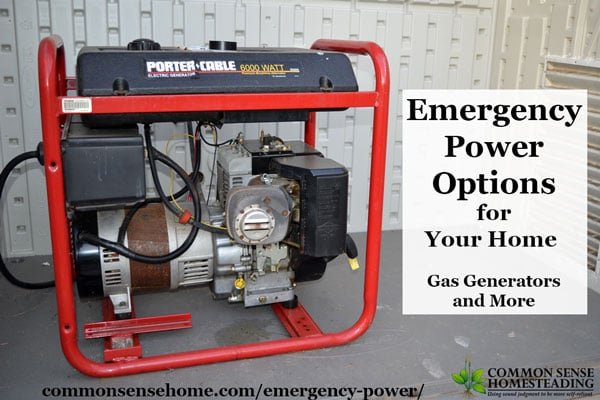
Emergency power options can range from simple battery-operated devices to full-fledged generators. Each option has its own advantages and disadvantages, so it’s important to look at what best fits your needs and lifestyle. Think of it as assembling a toolbox: the more tools you have, the better prepared you’ll be for any unexpected job. Let’s dive into the different emergency power options that can keep your home running smoothly, even when the grid goes down.
Understanding Your Power Needs
Before you run out and purchase the first emergency power solution you find, take a moment to evaluate your specific power needs. This is like mapping out a road trip—knowing your destination helps you choose the right vehicle. Are you looking to keep just the essentials running, or do you want to power your whole home?
Start by listing the devices that are most critical to you. Common essentials may include:
- Refrigerator
- Heating or cooling systems
- Medical devices
- Lighting
Once you’ve identified your top priorities, you can begin to understand how much power you’ll need. For instance, running a refrigerator requires more power than simply charging your phone. You might be wondering, “How do I even measure this?” Well, most devices will have their power requirements listed in watts, allowing you to estimate your total needs.
Portable Generators
Portable generators are one of the most versatile options you can consider. They’re like the Swiss Army knife of power solutions—great for both emergencies and recreational use. These generators run on gasoline and can power multiple devices at once, making them perfect for short-term outages.
When shopping for a portable generator, look for models with at least 2,000 to 3,000 watts of output. That’s enough to keep your refrigerator running while also powering a few lights. A good tip is to choose a generator with a transfer switch to safely connect it to your home’s electrical system.
However, keep in mind that portable generators need fuel. This means you’ll want to have gasoline stored in a safe, approved container. And, of course, make sure to run your generator outdoors—never inside the house or garage—to avoid carbon monoxide buildup. Safety first!
Inverter Generators
If you’re looking for something quieter and more efficient, inverter generators might be your answer. These devices not only provide clean energy but also run much more quietly than traditional generators, making them ideal for residential neighborhoods. Imagine being able to run your fridge while enjoying a peaceful evening rather than listening to a loud engine rumble in the background.
Inverter generators are often lighter and more portable, making them easy to transport. They’re a great option if you need power for camping trips or outdoor parties but want the peace of mind of knowing you can use it in emergencies at home too. They typically produce between 1,000 to 3,000 watts, which is sufficient for smaller devices and appliances.
One downside is that they can be pricier than traditional generators. So, it’s worth comparing models and deciding how much power you really need.
Battery Backup Systems
Battery backup systems offer a different kind of peace of mind. Think of these systems as a big, rechargeable battery that can kick in when your power goes out. They’re perfect for keeping your essential electronics running without the need for gasoline or fumes.
These systems can range from small, portable power stations to larger units that can be wired into your home. The great thing about battery backups is they often come with multiple outlets, so you can plug in several devices at once. Some even have USB ports for your smaller electronics.
The trick is that you’ll need to keep the batteries charged. So, these systems work best in scenarios where you know your power may go out and you have time to prepare. Plus, you might be wondering about how long they last. Typically, they can provide power for a few hours to a couple of days, depending on the size of the battery and how many devices you’re using.
Solar Generators
Solar generators are an exciting option for those who are looking to go green, even in emergencies. If you think of a traditional generator as a gas-guzzler, a solar generator is more like a solar-powered car—clean and sustainable.
These generators use solar panels to capture sunlight and convert it into electricity, which means you can keep powering your devices as long as there’s sun. They typically come with built-in batteries, allowing you to store energy for use when the sun isn’t shining.
While solar generators can have a higher upfront cost, the long-term savings on fuel and the environmental benefits can make them worthwhile. Plus, you won’t have to worry about the noise and fumes associated with gas-powered options. Just remember, you’ll need adequate space for the solar panels, and their efficiency can vary based on your location and weather conditions.
Uninterruptible Power Supply (UPS)
For those who work from home or rely on sensitive electronics, a UPS might be just what you need. A UPS acts as a temporary power source, kicking in instantly when the main power goes out. It’s like having a guardian angel for your computer, keeping it running smoothly even during a blackout.
These systems are especially useful for protecting your devices from sudden power loss, which could cause data loss or damage. If you’re into gaming or have important files on your computer, having a UPS ensures you won’t lose work when the lights flicker.
When choosing a UPS, look for one with enough capacity to support your most important devices for the time you need. Some UPS models also offer surge protection, safeguarding your gadgets from voltage spikes once power returns.
Considerations Before Making a Choice
Investing in an emergency power source isn’t just about picking whatever looks cool at the store. You should think about the size of your home, the devices you want to power, and how long you need support during an outage. Here’s a simple checklist to consider:
- Estimate your total wattage needs.
- Consider your budget.
- Evaluate your storage and maintenance capabilities.
- Research local regulations if you plan to use fuel-powered generators.
It can also help to talk to neighbors or friends about what they use. They might have insights and experiences that could guide your decision. Plus, you can often find better deals through local community connections.
Final Thoughts on Emergency Power Solutions
When it comes to emergency power options for homeowners in the 48205 area, you have plenty of choices. From portable generators to battery backups and even solar options, there’s something to fit every need and lifestyle. The important thing is to assess your individual requirements honestly.
You don’t want to be left in the dark when an outage strikes, so taking the time to find the right solution can pay off significantly. Whether it’s for a short-term outage or a more extended emergency, being prepared can make all the difference. Remember, it’s about securing peace of mind and ensuring your home stays comfortable, no matter what the power company throws your way!

