Imagine you’re sitting in your cozy living room, sipping on a warm cup of coffee, and your power goes out. The fridge stops humming, your Wi-Fi router goes silent, and that Netflix binge session is abruptly cut off. But don’t worry! Having a solid backup power solution at home can help keep things running. Whether you’re considering a generator, battery backup, or even a solar power system, there’s a perfect fit for every household. Let’s explore what’s out there and how each option works.
What Are Backup Power Solutions?
Backup power solutions are systems designed to supply electricity during a power outage. Think of them as your home’s safety net, giving you peace of mind when the grid goes down. The two most common types of backup power options are generators and battery backups. Each has its pros and cons, but they both serve the same purpose: keeping your home powered when you need it most.
Generators use fuel, like gasoline or propane, to generate electricity. They’re powerful and can run several appliances at once. However, they require more maintenance and can produce noise. On the other hand, battery backups are typically quieter and simpler to maintain. These systems charge during normal operations and then provide power when needed. Both options can be beneficial, depending on your circumstances.
You might be wondering, “Which backup power solution is right for me?” That really depends on your home’s energy needs, budget, and how long you want to remain powered during an outage. Let’s take a closer look at the different options available.
Portable Generators
Portable generators are a popular choice for many homes. They are relatively affordable and can provide ample power during outages. Imagine having a small engine that you can wheel out during a storm, plug in, and suddenly your fridge is running again. Portable generators typically run on gasoline and provide anywhere from 1,000 to 10,000 watts of power.
One of the biggest benefits of a portable generator is its versatility. You can take it anywhere—your backyard, camping, or even during a tailgate party. However, think about this: they do emit fumes, which means they should always be used outdoors. A little precaution goes a long way here!
To get started with a portable generator, you’ll need an extension cord and a few safety measures in place. Make sure you know how to operate it safely and observe local regulations concerning noise and emissions. Trust me, it’s a great backup option when used properly.
Standby Generators
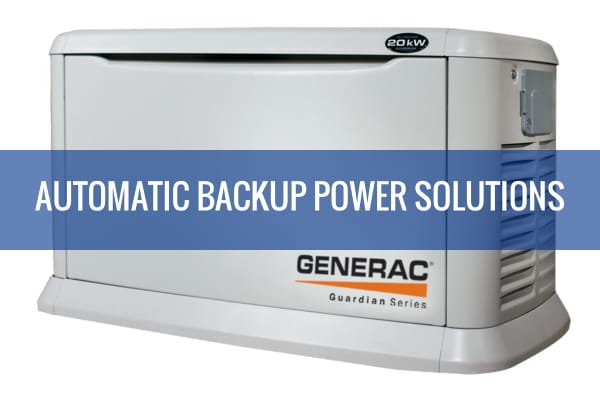
Now, let’s talk about standby generators. These systems are permanently installed and can automatically turn on when the power goes out. Picture the kind of setup that kicks in before you even realize there’s a problem—how cool is that? Standby generators typically run on natural gas or propane and can power your entire home.
While they are more costly than portable options, they offer convenience and peace of mind. You won’t have to worry about plugging in anything manually, and they can handle larger loads, meaning you can keep your heating, cooling, and essential appliances running without a hitch.
Installing a standby generator requires a professional, and it’s important to ensure it’s sized correctly for your home’s energy needs. But once it’s in place, it’s like having a personal power plant ready to go at a moment’s notice!
Battery Backup Systems
Battery backup systems, also known as uninterruptible power supplies (UPS), are gaining popularity among homeowners. They store energy in rechargeable batteries and release it when the power goes out. Think of them as giant batteries for your home—just like the ones that keep your phone alive during a busy day.
One of the main advantages of battery systems is that they are quiet and clean. Many models can be installed indoors, making them an attractive option if you’re concerned about noise and fuel emissions. They’re great for powering smaller devices like lights, routers, and even medical equipment.
However, battery systems do have limitations in terms of power capacity. If you need to run large appliances like your refrigerator, you may need a larger, more expensive unit or multiple batteries. Still, many homeowners find that battery backups provide just the right amount of power for their essential needs during outages.
Solar Backup Systems
Solar backup systems are an exciting innovation in the world of renewable energy. These systems use solar panels to capture energy from the sun and store it in battery systems for later use. It works like this: when the sun shines, you’re charging your batteries. When the power goes out, you draw from that stored energy. It’s a sustainable, eco-friendly solution!
The beauty of solar backup systems is that they can also help you save on your electricity bill. During the day, you’re generating your own power! However, the initial investment can be hefty, as you’ll need solar panels and batteries, along with installation.
If your home gets plenty of sunlight throughout the year, and you’re looking to incorporate renewable energy, this solution could be the way to go. Plus, you’ll be contributing to a greener planet—definitely a win-win!
Choosing the Right Backup Power Solution
Deciding on a backup power solution isn’t just about picking one option over another; it’s about understanding your specific needs. Start by assessing how much power you require during an outage. Make a list of essential appliances you’d want to keep running. You might be surprised by how much power modern homes consume!
Next, consider your budget. If you’re looking for a cost-effective option, a portable generator may be your best bet for smaller outages. But if you want a long-term solution that automatically kicks in, a standby generator or solar backup might be worth the investment.
Finally, think about maintenance and installation. Some systems require professional installation, which can add to your costs. To avoid any headaches down the road, it’s essential to understand what each system entails before making a decision.
Maintenance Tips for Backup Power Solutions
Once you have your backup power solution in place, maintaining it is key to ensuring it works when you need it most. Here are some quick tips to keep your system running smoothly:
- Regular Testing: Run your generator or check your battery system every few months to ensure everything’s in working order.
- Fuel Maintenance: For generators, use fresh fuel and change the oil as recommended by the manufacturer.
- Battery Care: Make sure battery backups are kept in a cool, dry place and check for any signs of wear or corrosion.
- Professional Inspections: Schedule annual checks with a qualified technician, especially for larger systems.
Remember, a little maintenance goes a long way in ensuring that your backup power solutions will be ready to kick in when life throws a curveball.
In conclusion, navigating the world of backup power solutions can feel overwhelming, but it doesn’t have to be. By understanding the different options available—whether it’s portable generators, standby setups, battery backups, or solar systems—you can make informed decisions for your home in zip code 80201. The right backup power solution not only secures your home during outages but also gives you peace of mind, knowing that you’re prepared for whatever comes your way. Stay powered up!

