Understanding what to do during a power outage can make the experience feel less daunting. It’s like being a kid equipped with a trusty flashlight during a camping trip; you want to be prepared for whatever comes your way. So let’s break down some essential steps to help you navigate through any power outage smoothly.
Stay Informed
In the age of smartphones, staying informed has never been easier. When the power goes out, the first step is to check for updates. You can use your cellphone to access local news websites or social media channels. Many utility companies also have mobile apps where you can report outages and receive updates about restoration efforts.
If you don’t have cell service or your phone battery is low, try to keep a battery-operated radio on hand. It’s a good backup for when the power goes out. You might be wondering, “Why is this important?” Understanding how widespread the outage is can give you a better idea of how long you might be without power. If it’s just your home, you’ll need to troubleshoot, but if it’s a citywide issue, you can settle in and wait it out.
Prepare Your Home
To make a power outage more manageable, you’ll want to prepare your home ahead of time. Here’s the thing: a few simple household adjustments can make a big difference during an outage. Start by creating an emergency kit that includes essential items like food, water, and basic tools. It’s a good idea to have:
- Non-perishable food items
- Flashlights with extra batteries
- First aid supplies
- Battery-powered radio or a portable charger
- Important documents in a waterproof container
By accumulating these items in advance, you are setting yourself up for a more comfortable experience. Think of it like packing a suitcase for a trip; it feels great when you’re prepared!
Managing Food and Refrigeration
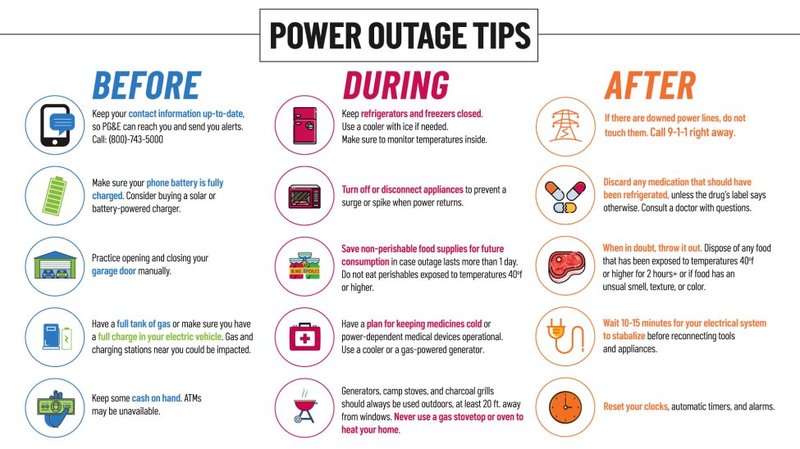
When the power goes out, you might worry about food spoilage, especially if you’ve got groceries stored in your fridge or freezer. Here’s a tip: keep the refrigerator and freezer doors closed as much as possible. A full freezer can keep food frozen for about 48 hours, while a half-full freezer will maintain its temperature for about 24 hours.
If you think the power will be out for a long time, consider transferring perishable items to a cooler with ice. This doesn’t just save your food; it also means less waste and more peace of mind! Remember, when in doubt about food safety, it’s always best to err on the side of caution. It’s better to toss something than risk getting sick.
Use Alternative Light Sources
When the power’s out, it’s dark! Using candles can create a cozy atmosphere, but they can also pose a fire hazard, so be cautious. Instead, think about keeping battery-operated lamps or LED flashlights around. These are safer alternatives and provide good lighting without the risks.
If you’re feeling a bit creative, you can even use glow sticks or solar-powered lights (which you can charge during the day). Think of it like a mini camping trip right at home—finding unique ways to light up your space can make the experience a bit more fun.
Staying Connected
In a world where we rely heavily on internet connectivity, a power outage can feel isolating. Luckily, there are ways to stay connected even when the lights are out. Make sure your cell phone is charged before an outage, and consider investing in a portable charger or power bank.
Here’s a little bonus: if your phone’s battery gets low, try to use it only for essential communication. You can also use messaging apps that don’t require a strong connection. This way, you can keep in touch with family or friends who might also be experiencing the outage.
Keep Your Home Safe
Safety should always be a priority, especially during a power outage. It’s crucial to be aware of potential hazards that can arise when the lights go out. Avoid using gas stoves, generators, or grills indoors—this can lead to carbon monoxide buildup and is incredibly dangerous.
If you have candles burning, never leave them unattended. It’s easy to get distracted during a power outage, but it’s essential to remain vigilant. Make sure to also check on flashlights and battery-operated devices to ensure they’re working properly. Like most things in life, a little preparation can go a long way.
Consider Backup Power Options
If you live in an area prone to outages, investing in a backup power source may be a smart move. Generators can help keep essential appliances running, but safety is key. Always follow the manufacturer’s guidelines. You might be wondering how to safely use a generator—make sure it’s placed outside and away from windows to avoid carbon monoxide buildup.
For a more permanent solution, consider installing a home battery backup system. These systems can kick in automatically when the power goes out, keeping your home running smoothly. Think of it as peace of mind; knowing that you’ll still have power when the world outside goes dark can make a big difference.
While a power outage can feel frustrating and inconvenient, being prepared and knowing what to do can turn an unsettling situation into a manageable one. Keeping informed, preparing your home, and establishing a safety plan are all steps that can help you navigate the bumps in the road that come with living in Zip Code 20003.
So the next time the lights go out, take a deep breath. You’ve got this! With a little foresight and the right tools at your disposal, you can turn an unexpected outage into a cozy evening or an opportunity for creativity. Remember, it’s all about staying calm and being prepared.

