Think of a standby generator as your home’s superhero. It silently stands by and, when the lights go out, it kicks in automatically, keeping your essential appliances running and your family safe. But is it the right choice for you? Let’s break down the benefits, costs, and considerations so you can make a well-informed decision.
Understanding Standby Generators
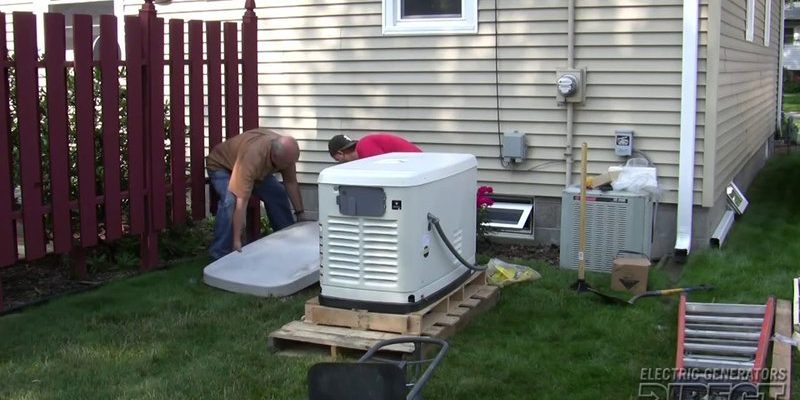
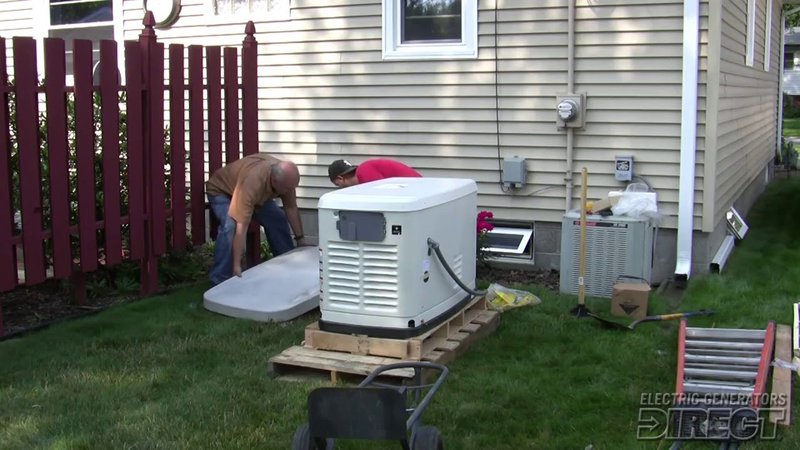
Standby generators are permanent fixtures installed outside your home, much like an air conditioning unit. When the power goes out, they automatically start up and take over your electrical system, ensuring that power flows seamlessly. This means you can continue to run your refrigerator, keep your lights on, and power other essential devices without missing a beat.
How Do They Work?
Here’s how it goes: the generator connects to your home’s natural gas or propane supply, so you’re never left without fuel. When the power fails, the generator senses the outage and starts within seconds. It can provide power for a few hours or even several days, depending on the size of the unit and how much fuel you have. It’s like having a backup battery for your entire home—but way more powerful.
What Makes Them Different from Portable Generators?
Unlike portable generators, which you need to start manually and connect to your appliances, standby generators offer the convenience of automatic operation. Think of it as the power backup that takes care of everything without you lifting a finger. If you had to choose between the two, the standby generator would be like a reliable friend who always shows up on time, while the portable one might leave you waiting.
Benefits of Installing a Standby Generator
You might be wondering, “Why should I invest in a standby generator?” Here are some solid reasons:
1. Peace of Mind: When storms roll through, or the power grid is unreliable, knowing you have a standby generator is like having a safety net. You can rest easy knowing that your home is protected against outages.
2. Home Value Increase: Installing a standby generator can increase your home’s marketability. It’s an attractive feature for potential buyers, especially those looking for homes in areas prone to outages.
3. Convenience: Automatic power restoration means you won’t have to worry about running outside in the rain to start a generator. With a standby unit, you’re always covered, making life that much easier.
4. Fuel Efficiency: Standby generators are typically more fuel-efficient than portable versions. When you use your generator during an extended power outage, this efficiency can translate into savings over time.
Considerations Before Installation
Before you rush out and buy a generator, there are a few factors to consider:
1. Cost of Installation: The up-front cost of a standby generator isn’t small. Prices can range from a few thousand dollars to upwards of ten thousand, depending on the capacity and brand. Installation costs can add to that, so budgeting is essential.
2. Space Requirements: Standby generators need adequate space for installation and ventilation. You’ll want to ensure your yard can accommodate one without it being an eyesore or a safety concern.
3. Maintenance Needs: Like any appliance, standby generators require regular maintenance to keep them running smoothly. This means you’ll need to set aside time for periodic checks and servicing.
4. Legal Regulations: In D.C., there might be specific codes or permits required for installation. Make sure to check with local authorities to ensure your new generator complies with all regulations.
Choosing the Right Generator for You
When picking a standby generator, it’s important to think about a few key factors:
1. Power Needs: The first step is to calculate your power requirements. This involves adding up the wattage of the appliances and electronics you want to keep running during an outage. Generators come in various sizes, so choose one that can handle your needs but isn’t overly large.
2. Fuel Type: Standby generators commonly use natural gas or propane. If you already have a natural gas line, that might be your best bet; it makes for easy refueling. Propane is another option, especially if you need a generator in a remote area without gas lines.
3. Brand Reputation: Brands like Generac, Kohler, and Briggs & Stratton are known for their reliability and performance. Doing a little research and reading reviews can help you find a reputable unit that will last.
4. Cost vs. Value: While it might be tempting to go for the cheapest option, consider the long-term value. A more expensive generator may offer better efficiency, reliability, and support, which can save you money and headaches down the road.
The Installation Process
Installing a standby generator may seem complicated, but a skilled technician can handle it pretty smoothly. Here’s a basic overview of what to expect during the installation process:
1. Site Assessment: A professional will first assess your property to determine the best location for your generator. This includes checking for adequate clearance, access to fuel lines, and placement to avoid noise disruption.
2. Electrical Connection: The technician will connect the generator to your home’s electrical system, installing a transfer switch to ensure that power can switch seamlessly during an outage.
3. Testing the System: After installation, the technician will test the generator to ensure it starts properly and everything is functioning as it should. This step is crucial for your peace of mind!
4. Ongoing Maintenance: Once installed, remember that regular maintenance is key. Schedule annual check-ups to keep your generator in top shape, just like you would with your car.
So, should you install a standby generator in the 20005 area? Honestly, if you value *peace of mind* and want to safeguard your home against unexpected power outages, it could be a wise investment. The convenience and safety a standby generator provides can not only keep the lights on during a storm but also protect your home and family in challenging times.
Think about your lifestyle, your home’s needs, and how often you experience outages. If you find yourself frequently feeling the impact of lost power, a standby generator could be your ideal backup. After all, life doesn’t pause for power outages, and neither should you.

