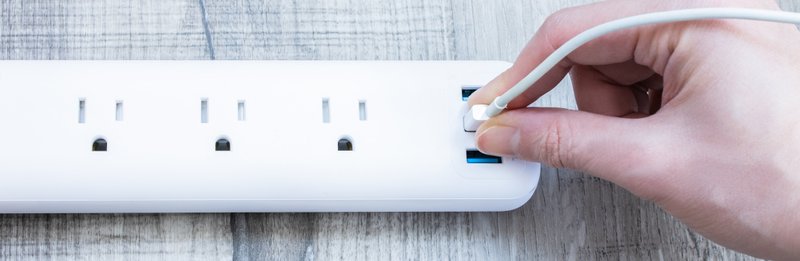
Imagine you’re at your local coffee shop, chatting with a friend about how to keep your home safe. You might liken protecting appliances from power surges to putting on a raincoat before heading outside. It seems simple, but it can save you a lot of hassle and money down the line. So, let’s dive into how you can effectively shield your devices from these pesky power surges.
Understanding Power Surges
Power surges are temporary increases in voltage that can be caused by various factors. These might include lightning strikes, power outages, or even when large appliances like air conditioners kick on. Think of it as a wave: it builds up and then crashes, potentially causing widespread damage.
When a surge occurs, it can send more electricity than your appliances are designed to handle. Over time, these surges can lead to a cumulative effect, damaging sensitive electronics like your refrigerator, TV, or computer. You might be wondering just how severe these damages can be. Well, a single surge could fry your device’s circuit board, leaving you with a hefty repair bill or even the need for a replacement.
Furthermore, the average lifespan of appliances in the 98105 area can be shortened significantly if they’re regularly exposed to surges. Understanding what causes these surges is the first step in effectively protecting your valuable home investments.
Investing in Surge Protectors
One of the most effective ways to protect your appliances is by investing in surge protectors. But not all surge protectors are created equal. Some are designed for basic protection, while others offer advanced features for more sensitive electronics.
When looking for a surge protector, consider these factors:
- Joule Rating: This indicates how much energy the surge protector can absorb. Higher ratings mean better protection.
- Clamping Voltage: This is the voltage level that triggers the protector to redirect excess voltage. A lower clamping voltage offers better protection.
- Response Time: How quickly does it react to a surge? The faster, the better.
You should also think about connecting your surge protector to devices you use frequently, like your television or computer. This way, when an unexpected surge occurs, you know your essential gear is safe.
Whole-House Surge Protection
While individual surge protectors are helpful, you might want to consider whole-house surge protection. This system is like a fortress for your entire electrical system. It’s installed at your circuit breaker and provides a blanket of protection for all appliances and devices.
Imagine it as a shield that guards the entire kingdom. A whole-house system could potentially save you thousands of dollars by preventing damage to all your devices at once. It offers peace of mind, especially during stormy weather or high winds which can create fluctuations in your electrical grid.
When looking for a whole-house surge protector, consult a licensed electrician. They can help you determine the best option suited for your home’s specific needs.
Unplug During Storms
As simple as it sounds, unplugging appliances during storms can be a lifesaver. While it may feel inconvenient, taking this step can drastically reduce the risk of damage to your devices.
If you know that a storm is brewing, just take a moment to unplug electronics that are especially vulnerable, like your computer or home theater system. You’ll feel like a superhero, protecting your gear from harm and extending its life.
Additionally, having a designated spot for extra cords and outlets can make this process easier. Keep it all organized, so when storm season hits, you’re prepared and won’t have to rummage through drawers looking for that pesky extender.
Regular Maintenance Checks
Keeping your appliances in good health is key in protecting them from power surges. Conducting regular maintenance checks can help you identify potential issues that may make your devices more vulnerable.
Start by inspecting cords and plugs for any wear and tear. Frayed cords can create electrical hazards and increase the risk of surges. If an appliance seems to be acting up—like unexpectedly shutting off or flickering lights—it might be a sign that it’s time for professional help.
Most importantly, keep an eye on your home’s electrical system. Old wiring can be a conduit for power surges. If you notice frequently flickering lights or blown fuses, it’s wise to consult an electrician who can pinpoint underlying issues.
Installing a Voltage Regulator
A voltage regulator is another great way to protect your appliances. It stabilizes the voltage within your electrical system, ensuring that your devices receive consistent power levels.
Think of it as the traffic cop of your electrical setup. It smooths out any fluctuations, preventing surges before they can do any damage. Voltage regulators are particularly beneficial for larger appliances, like refrigerators and HVAC systems, that can experience strain during surges.
When shopping for a voltage regulator, look for models that suit the wattage and voltage needs of your appliances. Investing in one could save you a lot of stress and money in the long run.
Educate Your Household
Lastly, it’s important to educate everyone in your home about the risks associated with power surges. This might seem obvious, but having conversations with your family can ensure everyone knows what to do during storms or when unusual electrical issues arise.
You can organize a mini training session to show them how to unplug devices or even how to reset a surge protector if it trips. Knowledge is power, and the more your household knows, the better prepared you’ll all be.
By fostering awareness and safe practices, you not only protect your appliances but also help create a more informed and responsible environment.
In summary, protecting your appliances from power surges in zip code 98105 involves a combination of the right tools, preventative measures, and education. By investing in surge protectors, considering whole-house systems, unplugging during storms, and performing regular maintenance checks, you can significantly extend the life of your devices. Remember, a little effort now can save you big headaches later!

