Having a solid blackout survival checklist is like having an umbrella when it starts to rain. You might not need it every day, but when the storm comes, you’ll be grateful you planned ahead. So, let’s dive into creating a checklist that will keep you and your loved ones safe and comfortable during those unexpected outages.
Understand the Risks of a Blackout
Before we jump into our checklist, it’s important to understand why blackouts happen and what you might face. Blackouts can be caused by various factors, such as severe weather, equipment failure, or even planned maintenance by your utility company. You might be wondering, “Isn’t the power grid supposed to be reliable?” The truth is, while it functions most of the time, it can be vulnerable during extreme conditions.
During a blackout, you’ll encounter more than just the lack of light. There’s the risk of food spoilage, disruption to medical devices, and potential safety issues if you’re not prepared. Imagine trying to find a candle in a completely dark room! Having a plan can help you navigate these challenges more smoothly.
Gather Your Supplies
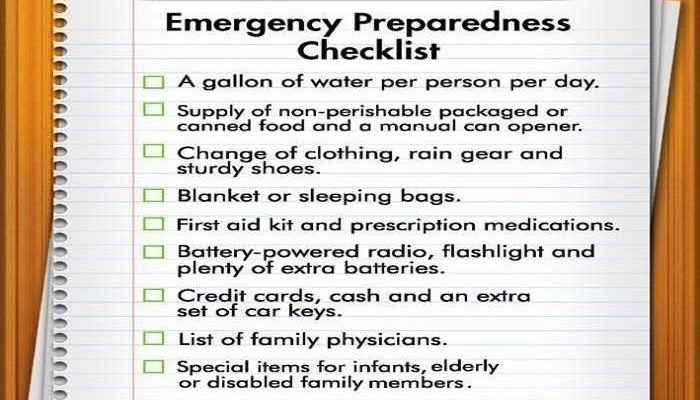
Now that you understand the risks, let’s talk about what you need to have on hand. This is where your blackout survival checklist kicks in. Here are essential items to consider:
- Flashlights: Keep a few in easily accessible places. Don’t forget to check the batteries regularly!
- Batteries: Stock up on batteries of various sizes to power your devices.
- Non-perishable food: Canned goods, granola bars, and dried fruits are perfect. They require no cooking and have a long shelf life.
- Water: Store at least a gallon per person per day for at least three days.
- First aid kit: This should include band-aids, antiseptic wipes, and any necessary medications.
Think of these supplies as your emergency toolkit. They’ll help you weather the storm—literally and figuratively. When the power goes out, the last thing you want is to be scrambling around looking for a flashlight.
Develop a Communication Plan
In situations like blackouts, staying connected is crucial. But how do you keep in touch when the lights—and possibly your phone service—go out? Here’s the thing: planning ahead makes all the difference.
Start by designating a meeting spot. If you have family members in different locations, choose a place where everyone can gather if things get chaotic. Make sure your loved ones know the plan. Communication tools like walkie-talkies or portable chargers can also be lifesavers, allowing you to check in without relying solely on your phone’s battery.
Don’t forget to share emergency numbers as well. Keep a list of important contacts handy—think family members, neighbors, or even local help centers. You might also want to designate a contact outside the area for everyone to reach out to in case local lines are down.
Manage Food and Water Supplies
When the electricity goes out, keeping your food and water safe is a top priority. Perishable items can spoil quickly without refrigeration. Here’s what you should know:
First, assess your fridge and freezer. Food can stay safe in the refrigerator for about 4 hours after a power outage. Your freezer can keep food good for about 48 hours if it’s full. If the power is out longer, it’s crucial to use your judgment—when in doubt, throw it out.
To avoid wasting food, consider making a habit of using your freezer wisely. Freeze leftovers instead of storing them in the fridge, and keep your food organized. This way, you’ll know what to prioritize when power is lost.
As for your water supply, knowing how much you need is vital. Store at least a gallon per person per day. If you have pets, don’t forget to include their water needs in your calculations. You can purchase bottled water, but filling up your own containers works just as well.
Power Your Devices Safely
In today’s tech-driven world, staying connected is essential—even during a blackout. But how do you manage your devices when the outlets aren’t working? Here’s how:
Consider investing in a portable power bank. These handy gadgets can charge your phone or small devices without wall power. Just remember to keep them charged and ready!
If you have larger items like medical devices that need power, talk to your healthcare provider about emergency solutions. They might recommend backup battery systems or alternative ways to stay powered up.
Also, keep in mind that excessive use of candles can pose risks. Instead, opt for battery-operated lanterns or LED lights—they provide bright light without the fire hazard.
Prepare for Cold or Heat
Depending on the season, blackouts can leave you feeling too hot or too cold. Let’s say it’s summer and the air conditioning goes out—you’ll want to stay cool. On the flip side, a winter blackout can lead to dangerously low temperatures at home.
To prepare for heat, ensure you have fans that can run on battery power. If you don’t have that, knowing how to keep the house cool using blinds or curtains can help. You can also drink plenty of water to stay hydrated.
In the winter, building a stock of blankets, sleeping bags, and thermal clothing will keep you warm. Close off unneeded rooms to conserve heat, and if you have a fireplace, make sure you have wood or other fuel on hand. These preparations can be lifesavers during extreme weather situations.
Stay Informed and Calm
During a blackout, it’s easy to feel anxious. You might be wondering how long the lights will be out or if it’s safe to go outside. Staying informed is key to managing anxiety.
Listen to the radio for updates. Battery-powered radios can keep you in the loop about the situation. You can also use your phone to check for updates if you have a charged battery or power bank.
Practice staying calm and encouraging those around you to do the same. Consider entertaining yourself with board games or storytelling instead of dwelling on the blackout. Keeping a positive attitude can help everyone cope better during the outage.
Final Thoughts
Preparing for a blackout in the 85002 zip code doesn’t have to be overwhelming. By creating a comprehensive survival checklist, you can ensure that your family stays safe and comfortable when the lights go out. Remember, it’s all about being proactive.
If you gather your supplies, stay connected, and manage your food and water wisely, you’ll be ready for whatever comes your way. You might not need all these items every day, but when the unexpected happens, you’ll be grateful for the peace of mind that comes with being prepared. So, go ahead and check those supplies; your future self will thank you!

