In this article, we’ll explore some practical emergency power options tailored for folks living in downtown Phoenix. From backup generators to solar power solutions, we’ll break down each option to help you make an informed choice. You might even discover something you didn’t know could keep your lights on when the grid goes dark. So, grab your favorite warm beverage, and let’s dive in!
Understanding Your Power Needs
Before you choose an emergency power solution, it’s essential to understand what you’ll need to power during an outage. This doesn’t have to be complicated—just think about your essentials. Do you need to keep your fridge running to avoid spoiling food? Or perhaps you need a few lights and your Wi-Fi to stay connected?
A good starting point is to list the devices that matter most, like:
- Your refrigerator
- Medical devices, if any
- Heating or cooling systems
- Lights and electronics
Once you have your list, you can determine how much power you’ll require to keep those essential items running. Each device has a specific energy demand, measured in watts. For example, a standard refrigerator might use around 200 to 800 watts, while a few LED lights might only use about 10 watts each. Getting a handle on your power needs will help you choose the right backup solution.
Portable Generators
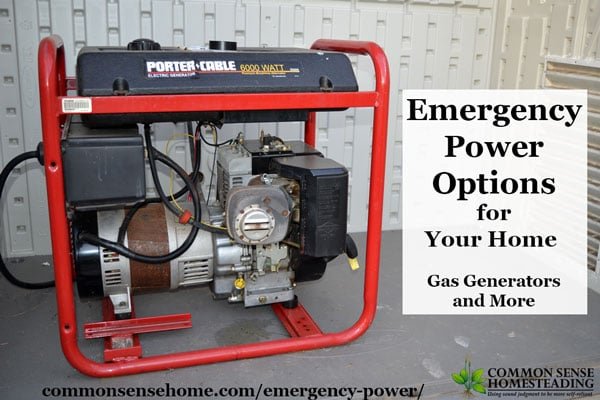
Portable generators are one of the most popular emergency power options for homeowners. They offer flexibility and can power a variety of devices, making them a practical choice for many. Picture them as your trusty sidekick during power outages—they’re reliable, versatile, and can save the day.
Here’s how they work: you’ll fill the generator with fuel (like gasoline), start it up, and then plug your essential devices into the outlets. One major benefit is that you can use a portable generator to power everything from household appliances to outdoor equipment. Just keep in mind that they usually require refueling, so you’ll want to stock up on extra fuel for longer outages.
However, it’s important to note that safety is a big factor here. Generators produce carbon monoxide, which can be dangerous. Always operate them outside, away from doors and windows, and make sure to use a carbon monoxide detector indoors.
Solar Power Systems
You might be wondering if there’s a more environmentally friendly option out there. Enter solar power systems! These systems harness sunlight to generate electricity. Imagine soaking up the sun while it simultaneously powers your home during an outage—it’s pretty impressive!
A solar power system typically consists of solar panels installed on your roof or property, an inverter to convert the energy, and batteries to store excess energy for later use. This way, you can keep your home running even when the sun isn’t shining. Plus, in sunny Phoenix, you’re in an ideal location to harness solar power effectively.
While the upfront cost can be significant, many homeowners find comfort in knowing they’re reducing their carbon footprint and potentially lowering their utility bills over time. And with advancements in technology, storage capabilities have improved, making this option more viable than ever.
Whole House Generators
If you’re looking for a more permanent solution, whole house generators are worth considering. These are like the superheroes of emergency power options—strong and steadfast. They’re permanently installed outside your home and automatically kick in when the power goes out, ensuring that your entire house remains powered.
These generators run on natural gas or propane, which means you won’t need to worry about refueling every few hours like you do with portable generators. This makes them incredibly convenient, especially during prolonged outages. They can power everything from HVAC systems to kitchen appliances, making them a comprehensive solution for energy needs.
However, keep in mind that installation costs can be higher, and you’ll need a professional to set everything up. But for many homeowners, having that peace of mind is worth the investment.
Uninterruptible Power Supplies (UPS)
For those who rely heavily on electronics, such as computers or medical equipment, a uninterruptible power supply (UPS) might be the best option. Think of a UPS as a safety net—it gives you time to save your work or connect to a backup power source without losing important data or functionality.
A UPS provides a small amount of backup power for a short period, usually enough to keep devices running during a brief outage. They’re particularly useful for home offices or for anyone who needs time to transition to another power source. Many models also come with surge protection, which can help safeguard your devices from unexpected power spikes.
However, it’s crucial to understand that a UPS won’t power large appliances for long. It’s more of a bridge to help you until a larger solution kicks in.
Battery-Powered Backup Systems
Another growing option is battery-powered backup systems. These systems store energy from the grid or your solar panels and provide power when needed. Think of them as your home’s emergency power bank—they’re quiet, efficient, and can keep the lights on without the noise and emissions of a generator.
With advancements in battery technology, many systems can now store enough energy to power your essentials for several hours, making them a dependable choice for short to medium outages. Some models even allow you to monitor usage via smartphone apps, giving you more control over your home energy management.
The initial investment can be hefty, but many homeowners appreciate the simplicity and reliability of these systems. Plus, they often have a longer lifespan than traditional generators.
When it comes to emergency power options, there’s no one-size-fits-all solution. Each option—be it portable generators, solar power systems, whole house generators, UPS, or battery-powered backup systems—has its strengths and weaknesses. Start by assessing your power needs and weighing your options against your budget and lifestyle.
In the fast-paced world we live in, having a reliable source of power during outages can provide peace of mind and security for you and your family. Whether you choose a generator or invest in solar power, you’re taking a proactive step to ensure your home remains a safe haven, no matter what the weather or circumstances may bring. So take that leap into backup power—your future self will thank you!

