Think of your appliances like delicate flowers in a garden. They thrive in stable environments but can quickly wilt if the conditions change too abruptly. Just as a gardener takes steps to shield their plants from harsh weather, you can take measures to shield your appliances from electrical unpredictability. In this guide, we’ll walk through practical steps to keep your electronics safe and sound.
What Causes Power Surges?
Understanding what causes power surges is the first step in protecting your appliances. A power surge can be compared to a sudden rush of water in a river. Just like the river can overflow during a storm, the electrical supply can spike due to various reasons. The most common culprits include:
- Lightning strikes: If a bolt of lightning hits a power line, it can send a surge of electricity into your home.
- Utility company equipment malfunctions: Sometimes, issues at the power plant or during maintenance can lead to sudden spikes.
- Heavy electrical demands: Turning on multiple power-hungry devices at once can create a surge that’s too much for your home’s wiring.
This information is crucial because it helps you understand that power surges are not just random events; they often have specific causes. Knowing this can guide you in taking preventive measures.
Significance of Power Surge Protection
Power surges may seem like a minor nuisance, but they can lead to significant damage. Imagine your brand-new television suddenly shutting off because a surge overwhelmed it. You might be left with a hefty repair bill or, worse, a completely fried appliance.
Here’s the thing: protecting your appliances from power surges is not just about saving money; it’s also about peace of mind. Knowing that your home is shielded from these unpredictable jolts can allow you to relax rather than constantly worry about your electronics. Over time, even small surges can erode the lifespan of your appliances, leading to costly replacements. So, investing in protective measures now means more durability and reliability in the long run.
Surge Protectors: Your First Line of Defense
When it comes to protecting your appliances from power surges, surge protectors are essential. Think of them as safety netting for your electrical system. They act fast, absorbing excess voltage and preventing it from reaching your devices.
There are two main types of surge protectors:
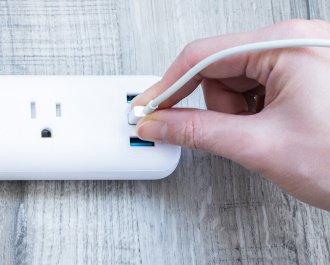
- Power strip surge protectors: These are like the Swiss Army knife of surge protection. They plug into an outlet and offer multiple outlets for your devices while protecting them from surges.
- Whole-house surge protectors: Installed at your main electrical panel, these provide comprehensive protection for all devices in your home. They’re a bit more expensive but worth it if you’re serious about safeguarding your appliances.
When choosing a surge protector, look for one that has a high joule rating—this indicates its capacity to absorb energy. A good rule of thumb is to aim for at least 1,000 joules for home use.
Unplugging Devices During Storms
Another simple yet effective method to protect your appliances is to unplug them during storms. This is especially true in areas like 64104, where thunderstorms can pop up unexpectedly.
Imagine this: you’re comfortably watching TV during a storm, and suddenly, the lights flicker. By taking a moment to unplug your electronics, you’re protecting them from any potential surges caused by lightning. It’s a small action that can save you a lot of trouble later.
Of course, this isn’t always practical for larger appliances like refrigerators or dishwashers, but for smaller devices, it’s an easy way to help keep them safe.
Regular Home Electrical Maintenance
Just like your car, your home’s electrical system needs regular check-ups. Routine maintenance can help prevent surges. Consider hiring a licensed electrician to inspect your wiring, outlets, and appliances. Here’s what they’ll typically look for:
- Loose connections: These can cause voltage fluctuations that lead to surges.
- Outdated wiring: If your home was built decades ago, its electrical system may not handle modern appliances well.
- Grounding issues: Proper grounding is essential for protecting your home from surges.
Maintaining your electrical system isn’t just about avoiding surges; it’s about ensuring the safety and efficiency of your home overall.
Using UPS for Critical Appliances
For those really important devices—think computers, medical equipment, or high-end audio systems—consider investing in a Uninterruptible Power Supply (UPS). A UPS acts like a backup battery, providing an immediate power source if the electricity spikes or cuts out.
Imagine you’re working on an important document or streaming your favorite show when the power goes out. With a UPS, you won’t just avoid a surge; you’ll also have a grace period to save your work and shut down your devices safely. Plus, many UPS systems offer surge protection as part of their features, making them a dual-purpose solution.
Educating Your Family
Finally, protecting your appliances isn’t only about devices and gadgets; it’s about creating a culture of awareness in your home. Educate your family members about the importance of surge protection.
Make sure everyone knows how to handle devices during storms or what to look for when using the microwave and washing machine at the same time. Discuss preventive measures like unplugging devices and keeping an eye out for unusual electrical behavior, like flickering lights or tripped breakers. When everyone is on the same page, your home will be better equipped to handle electrical fluctuations.
Taking steps to protect your appliances from power surges in the 64104 area is essential for maintaining their longevity and functionality. By investing in quality surge protectors, unplugging devices during storms, and keeping your electrical system well-maintained, you can significantly reduce the risk of damage.
Also, don’t underestimate the power of education—creating awareness in your home about electrical safety can go a long way. By being proactive, you won’t just protect your appliances; you’ll also enjoy peace of mind knowing you’ve done your part to keep your home safe. It’s a small investment of time and effort that pays off in the long run, helping you avoid the frustration and cost of damaged appliances.

