Let’s dive into how you can keep your appliances safe and sound. After all, nobody wants to deal with the hassle of replacing a damaged fridge or TV. Think of it as giving your appliances a cozy little umbrella to shelter them from the unpredictable weather of electrical surges.
What Causes Power Surges?
Power surges can come from various sources, and knowing where they originate can help you better prepare. The most common triggers include:
- Lightning strikes: This is probably the most well-known cause. When lightning hits power lines, it creates a surge that can travel through your electrical system.
- Faulty wiring: If your home has old or malfunctioning wiring, it may not handle voltage properly, causing surges when the load increases.
- High-powered devices: Appliances like refrigerators or air conditioners can draw a lot of power. When they turn on or off, it can create a surge that can affect other devices.
Understanding these sources is the first step in protecting your appliances. You might be wondering, “Can’t I just unplug everything during a storm?” While that’s a good idea, it’s not always feasible.
Whole-House Surge Protectors
One of the best defenses against power surges is installing a whole-house surge protector. Think of it as a fortress around your home’s electrical system. Here’s how it works:
1. Installation: These devices typically get installed directly in your electrical panel. It involves some technical work, so hiring a licensed electrician is best. They’ll know how to set it up without any hiccups.
2. Protection Level: A good whole-house surge protector can absorb significant electrical spikes, protecting all your devices at once. It’s like having a really strong umbrella that can handle even the heaviest downpour.
3. Cost-Effectiveness: While there’s an upfront cost, consider the expense of replacing a damaged appliance. It’s usually much more economical in the long run to invest in effective surge protection.
By installing a whole-house surge protector, you’re adding an extra layer of safety that keeps your entire home secure.
Point-of-Use Surge Protectors
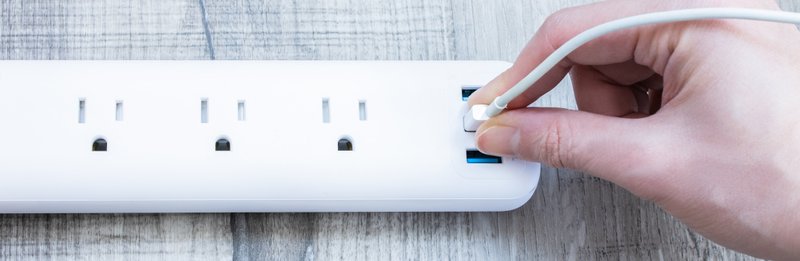
For even more protection, consider using point-of-use surge protectors in addition to the whole-house units. Imagine these as the raincoats for your individual appliances. Here’s what you need to know:
1. Versatile Usage: These devices plug directly into your wall outlets. You can use them for computers, televisions, and other valuable appliances.
2. Joule Rating: When selecting a point-of-use surge protector, pay attention to the joule rating. This rating indicates how much energy the protector can absorb before failing. Higher ratings offer better protection—much like a well-made raincoat.
3. Features: Many come with additional features like USB ports or coaxial input for cable lines. It’s a handy way to protect multiple devices without needing a ton of outlets.
Using these devices alongside a whole-house surge protector creates a dual defense strategy, ensuring your appliances are well-guarded from unexpected surges.
Proper Wiring and Circuit Maintenance
Beyond using surge protectors, ensuring your home’s wiring is in good condition is essential. Let’s break down the basics:
1. Regular Inspections: Consider having an electrician check your wiring regularly, especially if your home is older. They can spot potential issues that could lead to surges.
2. Upgrade Old Circuits: If you live in a home with outdated electrical systems, it might be time for an upgrade. Newer circuits can handle electrical demands better, reducing the risk of surges.
3. Avoid Overloading Circuits: Ensure that your outlets aren’t overloaded, as it can lead to voltage fluctuations. Use a power strip with built-in protection if you need multiple devices in one area.
Keeping your wiring in tip-top shape is like ensuring that the roads in your town are well-maintained. It reduces the chances of accidents (or in this case, surges) happening.
Unplugging During Storms
It might sound simple, but unplugging your appliances during severe weather is one of the most effective ways to prevent damage. Here’s why it’s worth considering:
1. Easy and Effective: If you know a storm is coming, taking a few moments to unplug your devices can save you from disaster. It’s like putting your car in the garage during a hailstorm.
2. Prioritizing Important Devices: Focus on high-value items like computers, TVs, and other sensitive electronics. You don’t have to unplug everything—just the essentials.
3. Create a Routine: Make it a habit! Having a checklist or a storm preparedness plan can help ensure you’re ready when the weather turns nasty.
While it’s not practical to unplug everything daily, doing so when storms are imminent can significantly reduce your chances of losing valuable appliances.
Insurance Coverage and Claims
Lastly, it’s smart to have a conversation with your insurance provider about power surge coverage. Here’s why:
1. Understanding Your Policy: Not all home insurance policies automatically cover appliance damage from power surges. It’s a good idea to know what’s included in yours.
2. Making Claims: If an appliance does get damaged, you’ll want to ensure your policy covers the repairs or replacement costs. Keep receipts and documentation to help streamline any claims process.
3. Additional Endorsements: Some insurers offer additional coverage options for electronics. You might consider this to ensure you’re fully protected.
Thinking of your insurance as your safety net can ease the worry of dealing with appliance damage.
In the end, protecting your appliances from power surges in the 72204 area is all about being proactive. From installing whole-house surge protectors to keeping your wiring updated, there are various ways to create a shield around your valuable devices.
Unplugging during storms, using point-of-use surge protectors, and staying informed about your insurance coverage are practical steps that bring peace of mind. Think of your appliances as part of your family; with a little preparation, you can keep them safe and sound through any electrical storm.

