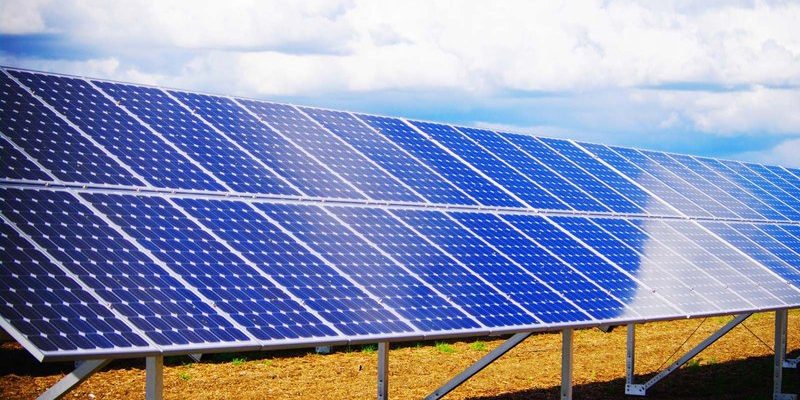
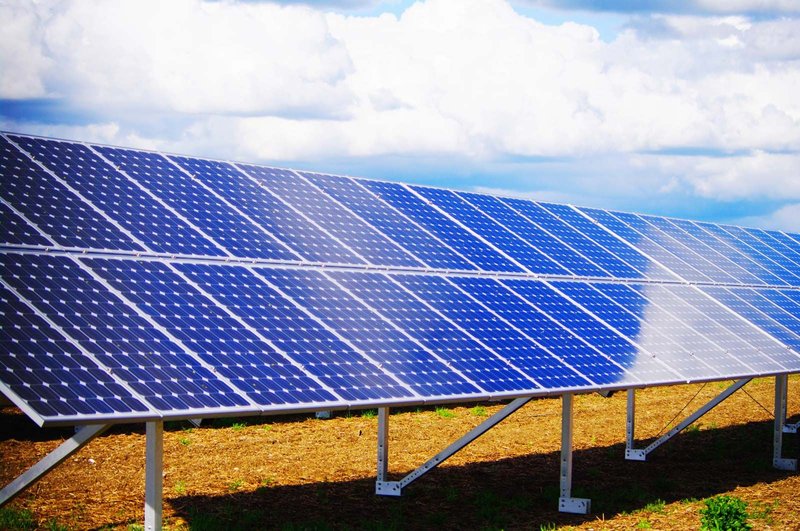
Now, you might be curious about how solar backup works. Simply put, it involves a solar panel system paired with batteries that store energy for later use. When the sun shines, your solar panels generate electricity, and any excess power can be stored for those rainy days—literally and figuratively. Popular brands like Tesla Powerwall or LG Chem make it easier to grab energy from the sun and keep it on standby for when you need it most.
Why Consider Solar Backup?
First off, let’s talk about the obvious benefits. A solar backup system can give you peace of mind knowing you have power during outages. This is especially valuable in areas with unpredictable weather, which can lead to unexpected power outages. Imagine trying to cook dinner or charge your phone during a storm—frustrating, right? With a solar backup, you won’t have to worry about being left in the dark.
On top of reliability, using solar energy can save you money. Arkansas offers some decent incentives for going solar, and with a backup system, you can reduce your electricity bill significantly. Think about it: if you’re generating your electricity, you’re less dependent on the utility company, making those monthly statements much friendlier to your wallet.
Of course, there’s also the environmental angle. Solar power is renewable and clean, so by opting for a solar backup, you’re contributing to a healthier planet. Every bit counts, right? Plus, you’ll feel good knowing you’re doing your part to reduce greenhouse gas emissions, which can feel especially rewarding.
How Does Solar Backup Work?
You might be wondering about the nuts and bolts of a solar backup system. To put it in simple terms, it starts with solar panels capturing sunlight and converting it into electricity. This is where the magic begins. Solar panels are like tiny energy factories; they produce direct current (DC) electricity, which then gets converted into alternating current (AC) electricity using an inverter. This AC electricity is what powers your home.
Now, here’s where the backup part comes in. When your solar panels generate more electricity than you need, the excess energy is sent to batteries that store it for later use. This is crucial because it means you can pull from this stored energy during the night or when the sun isn’t shining. Imagine having a little battery of sunshine just waiting for the right moment to help you out—it’s pretty neat!
Batteries come in various types, with lithium-ion being the most common and efficient. Brands like Tesla and LG have made a name for themselves in this space, known for their reliability and performance. The stored energy can also be used during power outages, reducing your reliance on the grid and ensuring your key devices stay powered. Pretty cool, right?
Factors to Consider in Zip Code 72205
When considering a solar backup system in 72205, there are a few local factors to keep in mind. First, the average sunlight your home receives will impact how effective your solar panels are. On average, Little Rock enjoys about 218 sunny days a year, which is a great benefit! This means your solar panels have plenty of opportunities to generate power.
But don’t forget about your roof. If your roof is shaded by trees or other buildings, it may affect your solar panel efficiency. So, if you’re thinking of going solar, you may want to consider trimming some branches or even investing in a solar array that can be mounted away from your home. It’s all about maximizing that precious sunlight!
Another factor is the local utility’s energy rates and policies. Currently, many Arkansas utility companies support net metering, which allows you to sell any excess energy back to the grid. This can be a huge money-saver, as it essentially lets you earn credits for the energy your solar system feeds back into the grid. Make sure to check with your local utility for specific details.
Costs and Incentives
Now, let’s tackle the elephant in the room: costs. Installing a solar backup system can be a big investment upfront, but it’s essential to think long-term. The average cost of a solar panel system in Arkansas can range from $15,000 to $25,000 before incentives. However, there are federal and local incentives to help you save. The federal solar tax credit allows you to deduct a significant percentage of the installation cost from your federal taxes, making that initial financial hurdle a bit easier to manage.
Plus, Arkansas offers its own incentives, including sales tax exemptions on solar equipment. Some local utility companies may even offer rebates or financing options to make going solar more affordable. You might want to explore programs like the Renewable Energy Access Program, which is designed to promote the use of renewable energy sources.
When you think about the energy savings over time—especially in a place like Little Rock, where summer energy bills can skyrocket—you’ll see that a solar backup might just pay for itself. And remember, there’s usually an increase in home value when solar is installed, so it’s not just a cost; it’s an investment.
Comparing Solar Backup Options
Now that you’re familiar with the concept of solar backups, let’s explore some popular options. There are different types of solar backup systems you can consider based on your needs and preferences. For instance, you can choose between a grid-tied system or an off-grid system.
A grid-tied system allows you to connect to the utility grid, making it easy to use energy from both the sun and the grid. This can be a good choice for those who want backup without the hassle of completely going off-grid. However, during a power outage, grid-tied systems typically don’t provide backup power unless you have battery storage—so you’ll still want batteries for that reason.
On the other hand, an off-grid system means you’re entirely reliant on your solar panels and batteries. This setup can be ideal for those who live in remote areas or simply want to be more self-sufficient. Off-grid systems can be more expensive because they require more battery storage, but they definitely give you peace of mind during outages.
When choosing a system, it’s also worth considering whether to go for a brand-specific solution or a universal alternative. Brand-specific systems, like those from Tesla, come with a complete package that’s designed to work seamlessly together, while universal options may allow for more customization. Assess what’s best for your situation, considering factors like compatibility and ease of installation.
Maintenance and Longevity
When investing in a solar backup system, one of the common concerns revolves around maintenance and how long the system will last. The good news is that solar panels are pretty low maintenance. With an occasional cleaning and annual checks, they can easily last 25 years or more. Many solar manufacturers even offer warranties that last decades, which is a reassuring safety net.
Battery maintenance varies depending on the technology. Lithium-ion batteries, like those from Tesla or LG, require less maintenance than traditional lead-acid batteries. They typically have longer lifespans and can handle more charge cycles, which means you can use them for years without worrying too much about performance degradation.
However, it’s important to keep an eye on your system. Regularly check for any shading issues, dirt buildup on panels, or signs of wear on batteries. If something seems off, reaching out to a professional is always a good idea. Just like you’d call a mechanic if your car starts making a weird noise, it’s better to be safe than sorry with your solar backup.
Final Thoughts on Solar Backup in 72205
All in all, whether a solar backup is a good option for your home in 72205 really depends on your specific needs. If you want to save money on energy bills, help the environment, and ensure you have power during outages, a solar backup could be a great fit. The sunny climate of Little Rock works in your favor, giving you plenty of solar energy to tap into.
Additionally, take time to explore the various options available. Understand your energy needs, consider installation costs, and look into local rebates and incentives. With the right research and planning, transitioning to solar backup can be a rewarding endeavor.
Let’s face it—having a solar backup system is like having an insurance policy for your home’s energy needs. You might not need it every day, but when the storm knocks out the power or those summer bills hit hard, you’ll be glad you made the investment. So, go ahead and explore your options, and see how solar backup can brighten up your home!

