This article will guide you through the various emergency power options available to homeowners in Charleston, SC. From portable generators to solar solutions, you’ll discover what works best for your home and lifestyle. Whether you want something compact for occasional use or a whole-home generator for peace of mind, we’ll break down the options clearly and simply.
Understanding the Need for Emergency Power
Before diving into the various emergency power options, let’s chat about why these solutions matter. Picture a summer day in Charleston when a thunderstorm suddenly rolls in. Lightning strikes, the winds pick up, and bam—power outage. This is where having a backup power source becomes invaluable. It’s not just about keeping the lights on; it’s also about keeping your fridge running, maintaining a comfortable temperature, and ensuring safety during emergencies.
You might be wondering, “What’s the best course of action for my household?” The answer often lies in understanding your specific needs. Are you looking to power only essential appliances or your entire home? Knowing this can guide you in making the best decision.
Portable Generators
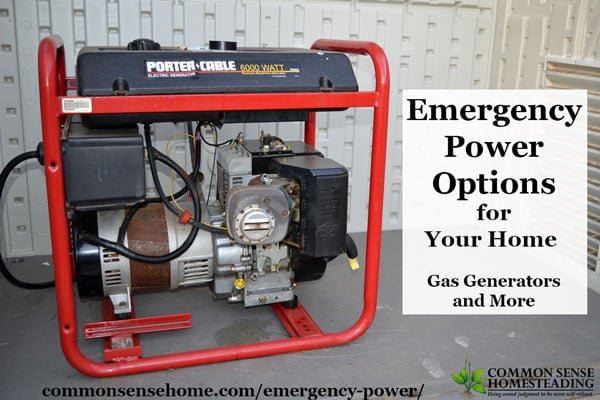
One popular option for homeowners seeking temporary power is a portable generator. These handy devices are like the Swiss Army knives of emergency power—versatile and easy to store. Depending on the wattage, a portable generator can power anything from lights to your refrigerator.
How do they work? Most portable generators run on gasoline, but some models also utilize propane or natural gas. To use one, you simply fuel it up, start it and plug in your devices. The portability makes it easy to roll out of the garage or shed and use when needed. Honestly, if you plan to take your generator on camping trips or tailgating, a portable option might just be perfect.
However, safety is key here. Always use portable generators outdoors to avoid carbon monoxide poisoning. You wouldn’t want to turn your living room into a makeshift garage!
Standby Generators
If you’re looking for something a bit more robust, standby generators might fit the bill. These are permanently installed systems that kick in automatically when the power goes out. Imagine the peace of mind knowing you can enjoy your daily routine without interruption, no matter the weather outside.
Standby generators typically run on natural gas or propane, which means you won’t have to worry about refueling them during an outage. They require professional installation, and that’s where things can get a bit more complex. It’s important to assess your home’s power needs and choose a generator that can handle everything—from lighting to heating and cooling systems.
While they do have a higher upfront cost, many homeowners find the investment worth it for the reliability and convenience they offer. If you frequently experience power outages, this might just be the best long-term solution for your home.
Solar Power Solutions
Another option worth considering is solar power solutions. They’re like the sunniest of all emergency power options—literally. By installing solar panels on your roof, you can harness the sun’s energy to power your home, even during outages. Coupling your solar setup with a battery storage system can make this option even more appealing.
So, how does it work? During the day, solar panels convert sunlight into electricity, allowing you to power your home and charge up your batteries. When the grid goes down, you can draw from this stored energy. Here’s the thing: solar power is more sustainable and can lower electricity bills over time.
Of course, the initial investment can be daunting. That said, many states offer incentives, and the long-term savings on energy bills can really add up. Plus, once the system is in place, it’s like having a little piece of independence from the utility company.
Inverter Generators
If you’re someone who’s living in a smaller home or apartment, consider an inverter generator. These are quieter, smaller, and can be a great option for homeowners in zip code 29401 looking for something less industrial than a standard generator. They are perfect for powering sensitive electronics, like laptops and smartphones, thanks to their stable power output.
Inverter generators are similar to portable generators but tend to run more efficiently. They adjust their engine speed based on the load, which not only conserves fuel but also reduces noise. This makes them an excellent choice for neighborhood use. Imagine having a power source that can keep your devices charged without disturbing the peaceful Charleston evenings!
Just remember, they usually can’t handle larger appliances, so if you’re planning on powering a refrigerator or air conditioning unit, double-check the wattage limits before buying.
Battery Backup Systems
Another innovative solution is the battery backup system. Picture it like a rechargeable battery pack that’s designed to keep the essentials running during an outage. These systems are typically installed in your home’s electrical system and can store energy from the grid or from solar panels.
One of the major benefits? They’re silent. Unlike generators, battery backup systems don’t produce noise or emissions, making them a good choice for urban living. Plus, they require very little maintenance. You might find that they don’t provide enough energy for everything, but they can keep vital systems running, like medical devices or your refrigerator.
It’s crucial to size your battery system appropriately to meet your needs. And if you ever plan to expand your solar setup, integrating batteries into the mix can enhance your energy independence.
Choosing the Right Option for You
Now that we’ve walked through the various emergency power options, it’s time to assess what might be right for your specific situation. Here are some factors to consider:
- Your energy needs: What appliances or systems are essential for your comfort and safety?
- Space and storage: Do you have room for a standby generator, or would a portable one be more fitting?
- Budget: How much can you invest upfront, and what are your long-term goals for savings or energy independence?
- Local regulations: Check local building codes and zoning laws, especially if you’re considering a standby generator or solar panels.
It might also help to talk to neighbors or local professionals. They can provide insights based on their experiences in the 29401 area.
Final Thoughts
Navigating the world of emergency power options can feel overwhelming at first. But the truth is, having a backup plan for when the lights go out is essential for every homeowner in Charleston. Whether you opt for a portable generator, a standby system, solar power, or a battery backup, each has its benefits and considerations.
Preparing for outages not only keeps your home running smoothly but also ensures your family’s safety and comfort in times of need. So grab a cup of coffee, think through your requirements, and take the necessary steps to secure your home against power outages. You’ll be grateful you did when the next storm rolls in!

