Installing a standby generator means having peace of mind, especially during storms or unexpected outages that can strike in your area. Brands like Generac and Kohler create reliable options that can power your entire home or just the essentials, depending on your needs. But how do you know if it’s worth the investment for you? Let’s break it down step-by-step.
Understanding Standby Generators
A standby generator is a backup power system that kicks in automatically during a power outage. Think of it as your home’s trusty backup plan, much like a safety net for a tightrope walker. It sits quietly outside, waiting for that moment when the lights go out, and then it jumps into action, providing power to your home.
These generators run on natural gas or propane and connect directly to your home’s electrical system. This connection allows them to power critical appliances and keep your home running smoothly, even when the grid fails. What’s even cooler is that they can be programmed to come on automatically, so you don’t have to scramble around looking for flashlights—it’s like having an extra pair of hands in an emergency.
Key Benefits of a Standby Generator
The benefits of a standby generator can be very appealing, especially if you live in a region that experiences regular power outages:
- Convenience: No need to manually set up a portable generator when the power goes out. It’s all automatic.
- Continuous Power: Your home gets powered as soon as the outage occurs, keeping your refrigerator running and your home comfortable.
- Increased Home Value: A standby generator can be an attractive feature for potential buyers, making your home stand out.
But, it’s important to consider your specific needs. How often do outages occur in your area? If your neighbors frequently lose power, then a standby generator could be a smart investment.
Assessing Your Power Needs
You might be wondering, “How do I know what size generator I need?” It really comes down to the power requirements of your home. The first step is to make a list of essentials you want to keep powered during an outage. Common items include:
- Your refrigerator
- Heater or air conditioner
- Lights
- Electronics (like your phone charger and Wi-Fi router)
Once you have your list, check the wattage for each item. You can typically find this information on the appliance itself or in the owner’s manual. Add up the wattages to determine your total power requirement.
Now, let’s talk about how that number plays into your generator choices. Generator sizes are typically rated in kilowatts (kW). For example, if your total need is around 5,000 watts, you’ll want a generator rated for at least 6 kW to account for surge demands, especially when appliances like refrigerators kick on.
Generator Types Explained
There are mainly two types of generators to consider: portable and standby.
– Portable Generators are smaller, easier to move, and usually less expensive. However, they require manual setup and refueling, which can be a hassle during an outage.
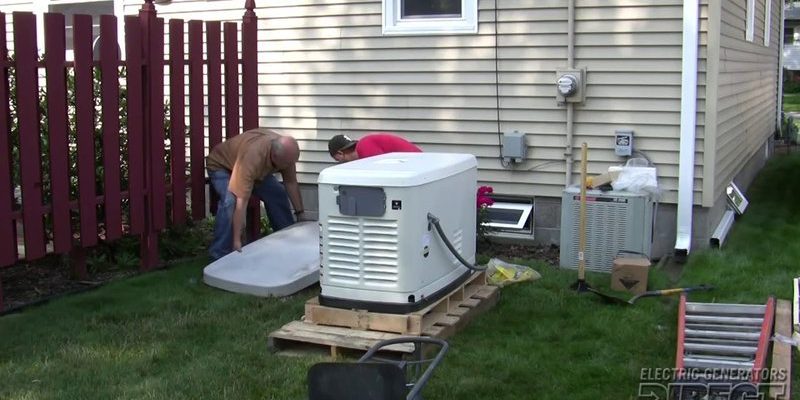
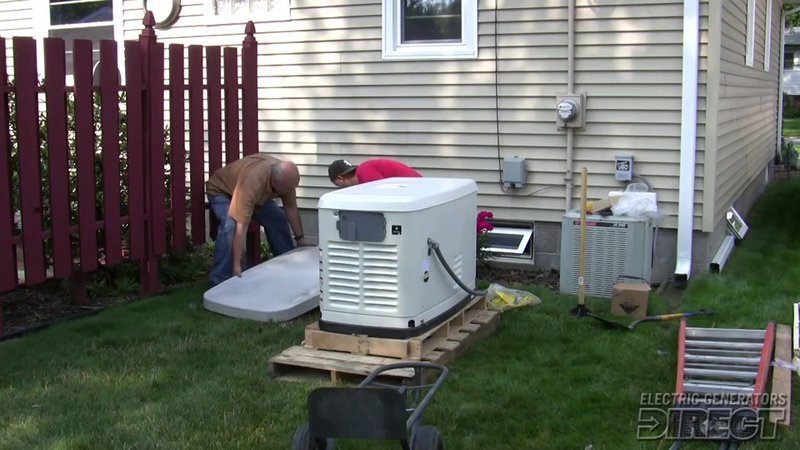
– Standby Generators, on the other hand, are permanently installed outside your home. They turn on automatically and typically provide greater power capacity, making them suitable for homes that need to keep more devices running simultaneously.
You might also notice that standby generators come with different features. Some have smart technology that keeps you updated about performance or maintenance via an app. This tech-savvy capability can be especially handy for troubleshooting, as you can reset or pair your generator from your phone.
Installation Considerations
Thinking about installing a standby generator? You’ll want to consider a few factors first. First up is cost. The price for a standby generator can range quite a bit depending on its size and features. Installation costs also play a significant role, as they require a professional to ensure everything is set up safely.
You’ll need to check local codes and regulations as well. In some areas, there are permits required for installation, and certain restrictions may apply regarding placement. For instance, it should be installed away from windows and doors to ensure safe operation.
Here’s the thing: consulting with a professional can help streamline this process. They can advise you on the right generator size and handle those pesky permits so you don’t have to sweat the details.
Maintenance and Upkeep
Once your generator is installed, regular maintenance becomes important. Think of it like taking care of a car—if you want it to run smoothly, you need to maintain it. Most standby generators require an annual service check, which includes testing the generator, checking the oil, and ensuring the battery is in good shape.
It’s also wise to run your generator for about 30 minutes every month even when it’s not in use. This ensures it’s ready to roll when you need it. Many models even have features that can alert you when maintenance is needed, taking the guesswork out of keeping your generator in top condition.
Cost vs. Value Analysis
Installing a standby generator can feel like a hefty investment upfront. Prices can start around $3,000 and skyrocket based on size and installation complexity. However, consider the value it brings. If your area in zip code 29405 experiences regular outages, the cost of replacing spoiled food, lost productivity, or even damage from basement flooding during power loss can add up quickly.
In many cases, homeowners find that the generator pays for itself over time. It’s not just about convenience but also peace of mind. You can sleep soundly knowing your home is equipped to handle emergencies.
Is it Worth It for You?
Ultimately, whether you should install a standby generator depends on your personal circumstances. Reflect on how often you encounter power outages and what impact they have on your daily life. If you have medical equipment that requires power or feel that outages would significantly disrupt your routine, a standby generator could be a game-changer.
However, if you rarely lose power and can manage with candles and flashlights, then maybe a portable generator or simply waiting out the outages is a better fit for your lifestyle.
Deciding to install a standby generator in zip code 29405 is a big decision and requires a bit of thought. Consider your home’s power needs, the frequency of outages in your area, and the impact that a reliable power source could have on your life.
In the end, the safety and convenience of having a standby generator can be worth its weight in gold. So, if you’re ready to step into the peace of mind that comes with backup power, you’ll be ready for the next outage, no superhero cape needed!

