Power surges can happen for various reasons—lightning strikes, faulty wiring, or even the simple act of turning on a high-powered device. The result? Potentially expensive damage to your beloved appliances. So, let’s chat about some practical ways to shield your tech from these electrical storms at home.
Understanding Power Surges
To grasp how to protect your appliances, let’s first understand what a power surge really is. Think of it as a sudden spike in electrical voltage, much like a wave crashing unexpectedly on a tranquil beach. These surges can last only a fraction of a second but can cause significant damage to your electronics. The voltage during a power surge can increase dramatically—often by hundreds or even thousands of volts.
Most appliances are designed to handle a certain amount of voltage, similar to how we cope with the ups and downs of daily life. However, when the voltage exceeds this limit, it can fry components, damage circuit boards, or even render your devices completely useless. Knowing this makes it easier to appreciate why protecting your appliances is essential.
What causes these surges? Common culprits include:
- Lightning strikes—nature’s most dramatic power surge.
- High-demand appliances turning on or off, like refrigerators or air conditioners.
- Faulty wiring in your home or local power grid issues.
- The shutdown or startup of large industrial equipment nearby.
Understanding these factors helps you take better measures to protect your home.
Invest in Surge Protectors
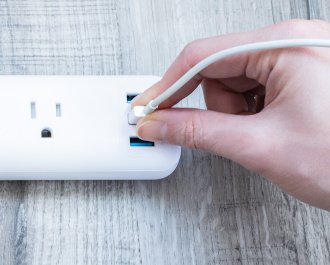
One of the simplest and most effective ways to guard your appliances is to use surge protectors. These are like little bodyguards for your electronics, absorbing excess voltage and preventing it from reaching your devices. They come in various shapes and sizes, from tiny plugs that you fit into wall sockets to larger strips that can accommodate multiple appliances.
When shopping for a surge protector, look for a model with a high Joules rating—this indicates how much energy the protector can absorb before it fails. A rating of 1,000 Joules or more is ideal for most home use. Also, consider if it has features like LED indicators that show its operational status.
It’s important to remember, though, that not all surge protectors are created equal. Some are designed for basic use, while others are more robust for sensitive electronics like computers or home theaters. So choose wisely!
Whole-House Surge Protection
If you’re serious about protecting your home, you might want to consider whole-house surge protection. This involves installing a central surge protector at your electrical panel, offering a first line of defense against power surges.
Think of it as an umbrella that shields your entire home from rain—while a regular surge protector might cover one appliance, whole-house protection ensures that all your devices are safe from the storm. This type of surge protection can be particularly beneficial in areas prone to lightning strikes or other electrical issues.
Installation typically requires a certified electrician, but it’s a worthwhile investment if you want peace of mind. Once installed, it can help protect your home from surges before they even enter your electrical system.
Unplugging Devices During Storms
Here’s the thing: when you know a storm is coming, take a few moments to unplug appliances. This may sound simple, but it’s one of the most effective ways to prevent damage from a power surge caused by lightning.
Devices like computers, televisions, and gaming consoles are especially vulnerable, so it’s smart to disconnect them when inclement weather rolls in. It’s kind of like putting your valuable shoes away when it starts to rain. You wouldn’t want them to get wet and ruined, right?
This practice might seem inconvenient, but it can save you a lot of hassle and expense in the long run. Just remember to get in the habit, and it’ll soon become second nature.
Regular Electrical System Checks
Keeping your electrical system in good shape is essential for preventing power surges. Just like regular check-ups at the doctor help ensure your health, periodic electrical inspections can keep your home safe.
Consider hiring an electrician every few years to inspect your wiring and outlets. They can identify any potential issues like frayed wires or overloaded circuits before they become real problems.
Also, if you ever notice flickering lights or tripped breakers, don’t ignore these signs. They can indicate underlying electrical issues that could lead to power surges. Taking care of these problems early can help ensure your appliances stay safe and sound.
Use Smart Technology
In today’s world, smart technology can also play a role in protecting your appliances. Smart plugs and outlets can be programmed to automatically turn off devices during storms or when you’re not home. This adds an extra layer of protection, allowing you to manage your appliances even when you’re away.
For example, if you know a storm is approaching, you can use your smartphone to turn off devices remotely. Some smart home systems can even alert you when there’s a power fluctuation, allowing you to take immediate action.
Using technology in this way not only enhances your safety but also gives you more control over your appliances. It’s like having a safety net that’s always ready to spring into action.
Insurance Considerations
Finally, let’s talk about insurance. Having the right coverage can help protect your investment in your appliances in case of a power surge. Many homeowners’ insurance policies cover appliance damage due to surges, but it’s wise to check your specific policy.
You might even consider adding a rider for additional coverage if you have valuable electronics. This can ensure you’re financially protected should a surge damage your devices.
It’s a bit like having insurance on your car—it won’t stop an accident from happening, but it can save you a lot of headaches afterward.
In a nutshell, protecting your appliances from power surges in Zip Code 96801 is all about being proactive. By investing in surge protectors, considering whole-house protection, unplugging devices during storms, and keeping an eye on your electrical system, you can significantly reduce the risk of damage.
In a world where we rely on our appliances daily, taking these steps not only saves you money but also provides peace of mind. After all, your home should be a sanctuary, not a source of worry! So, consider these tips, and you’ll be well on your way to safeguarding your valuable electronics against any electrical storms that may come your way.

