
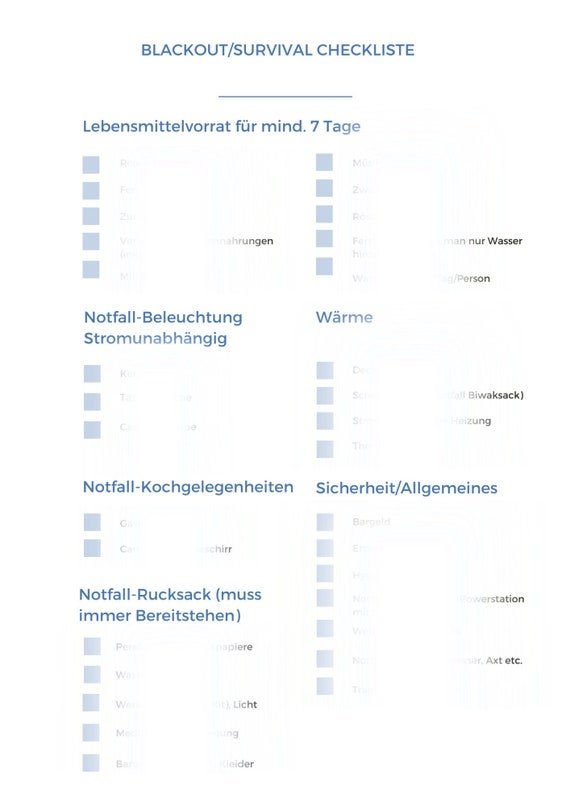
Creating a blackout survival checklist is about more than just gathering supplies. It’s a way to ensure you and your loved ones stay safe, comfortable, and connected when the world outside becomes dark and unpredictable. Here’s the thing: being prepared can turn a stressful situation into a manageable one. So, let’s dig into what you need to have on hand and how to make the best out of a blackout situation.
Essential Supplies for a Blackout
First things first, you’ll want to gather the essentials. Just like packing for a trip, having the right supplies can make all the difference. Here are some key items to consider:
- Flashlights: Don’t underestimate the power of a good flashlight. Keep a couple handy, and don’t forget extra batteries. You’ll be surprised how easy it is to trip over the furniture in the dark!
- Battery-Powered Lanterns: Lanterns provide a wider range of light and can make your living space feel less gloomy. They work great for group settings, too.
- Emergency Radio: A battery-powered or hand-crank radio will keep you informed about weather updates and power restoration efforts. It’s your connection to the outside world.
- First Aid Kit: Always have a well-stocked first aid kit. You never know when a cut or scrape could happen. Better safe than sorry!
These supplies not only brighten things up but also keep you safe and informed.
Food and Water: Stocking Up
Next up is food and water. You might be wondering why this is so important during a blackout. Well, without power, your fridge can’t keep food cold, so it’s crucial to have non-perishable items ready to go.
- Water: Aim for at least one gallon of water per person per day, for at least three days. This is especially vital if you have pets—they need water, too!
- Canned Goods: Stock up on canned items like soups, vegetables, and fruits. They last a long time and can be easily heated on a camping stove if you have one.
- Snack Bars and Nuts: These are great for quick energy boosts, and they don’t require preparation!
- Manual Can Opener: If you have canned food, don’t forget a manual can opener. You’d be surprised how often this is overlooked!
With food and water sorted, you’ll have the energy to make it through the darkest hours.
Communications and Safety
During a blackout, staying connected is important. You might not have your phone charged, but there are other ways to keep communication open. Here are some strategies:
- Power Banks: Keep power banks charged and ready to go. They can help keep your phone alive for a while longer.
- Group Chats: If you have a group chat with neighbors or family, use it! Share updates and make sure everyone is safe.
- Check on Neighbors: If it’s safe to do so, check on your neighbors, especially the elderly or those with health concerns. A kind gesture can go a long way.
Communication can be a lifeline during a blackout, helping everyone feel connected and informed.
Entertainment and Comfort
It might seem trivial, but keeping spirits high during a blackout is essential. After all, a little fun can go a long way in making the situation bearable.
- Board Games and Books: Dig out those old board games or a stack of books. They can keep everyone entertained, especially if the darkness stretches on.
- Cozy Blankets: If it’s cold, snuggle up with blankets. It’s comforting and can help everyone feel a little safer.
- A Portable Battery-Powered Device: Use your devices sparingly for entertainment, like streaming a movie or listening to music. Just don’t drain the battery too quickly!
Creating a cozy atmosphere will help keep everyone’s morale up during the outage.
Preparing for Future Blackouts
Once the lights are back on, it’s easy to forget about your blackout preparations. But there’s always a chance of another outage, so staying ready is key. Here’s how to keep things organized:
- Regularly Check Supplies: Go through your supplies every few months. Make sure batteries are fresh and food hasn’t expired.
- Create a Checklist: Have a ready-made checklist on your fridge or in a drawer. It makes preparation for future outages much quicker.
- Invest in a Generator: If blackouts are frequent in your area, consider investing in a generator for backup power. It’s a bit of an investment, but it can bring peace of mind.
Keeping your supplies updated and having a plan can save you time and stress later.
Emergency Contacts and Information
Having a list of emergency contacts and important information can be a lifesaver in a blackout. Here’s what to include:
- Local Emergency Numbers: Write down local emergency contacts, such as police and fire departments. It’s helpful in case of a serious issue.
- Power Company Contact: Keep your utility company’s contact information handy. You can report outages or get updates.
- Medical Contacts: List any important medical contacts, especially if you or someone in your home has specific health needs.
Having this information at your fingertips means you’re prepared for anything.
Final Thoughts on Blackout Readiness
Living in zip code 96801 doesn’t mean you’re immune to the occasional blackout. However, having a solid survival checklist can transform a frustrating experience into a manageable one. By preparing your supplies, food, water, communication tools, and even entertainment options, you can ensure that your household remains safe and comfortable when the lights go out.
Honestly, the next time the power flickers and fades, you’ll be ready. You’ll have your checklist, supplies, and a plan in place. That’s the key to surviving those unexpected dark moments—preparedness. So, take a little time to gather your supplies and set your plan. You’ll be grateful for it when the blackout strikes!

