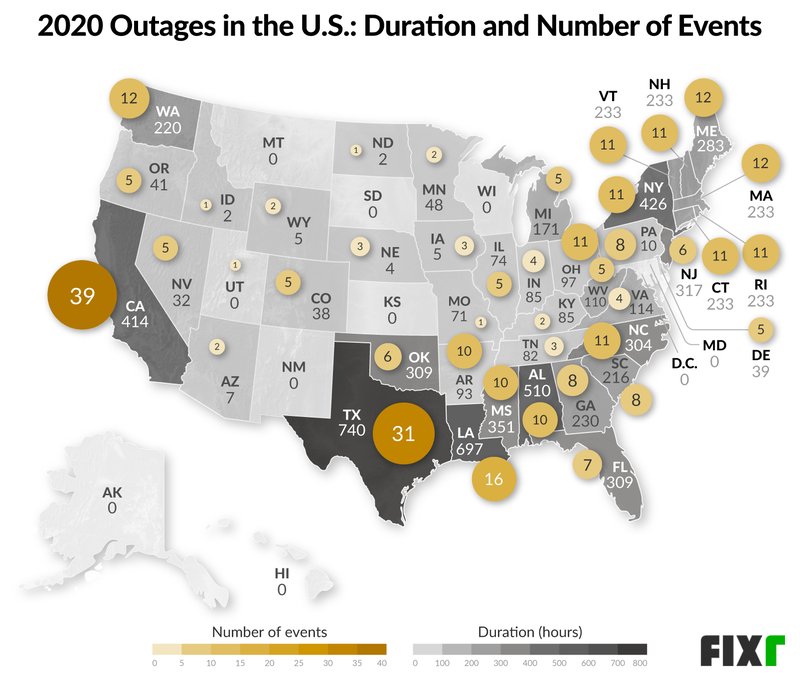
Imagine your electrical system like a team of relay runners. Each runner relies on the others to smoothly pass the baton, ensuring the race goes on without a hitch. When one runner stumbles, the whole team can falter. In this case, those runners are the power lines, transformers, and other pieces of infrastructure that deliver electricity to your home. By mapping out the landscape of power outages, we can uncover the reasons behind the disruptions and take steps to minimize their effects.
1. Natural Disasters and Severe Weather
Severe weather is often the most significant player in the game of power outages. Thunderstorms, hurricanes, and even snowstorms can wreak havoc on your local power grid. High winds, heavy rain, or ice accumulations can bring down power lines or damage electrical equipment. When this happens, the utility company often needs to scramble to restore power, which can lead to long periods without electricity.
For instance, during a severe thunderstorm, you might notice that the power flickers before going out completely. This flickering happens because of voltage fluctuations caused by strong winds or lightning strikes hitting nearby power lines. And just like that, your electricity can vanish, leaving you in the dark.
2. Aging Infrastructure
Another culprit behind frequent power outages might be the state of the infrastructure itself. Many areas, including parts of Texas, have power lines and equipment that are decades old. Over time, these components can weaken, fray, or break down more easily.
Picture an old car that’s been on the road for years. It might run fine for a while, but eventually, those worn-out parts start causing problems. In a similar way, outdated transformers or power lines may fail during stress from increased demand or environmental conditions. This is especially true in areas where the population is growing rapidly, straining existing systems.
3. Increased Energy Demand
Speaking of demand, many regions are experiencing significant growth. With more homes and businesses popping up every day, the demand for electricity often skyrockets. Think of it like a restaurant that suddenly gains popularity but hasn’t updated its kitchen to handle the increase in orders. Just as the staff can’t keep up with the rush, the power grid might struggle to supply enough electricity for everyone.
During peak usage times, such as hot summer afternoons, the demand on the power grid can exceed its capacity. This overload can cause outages or rolling blackouts. So, if you’re finding that your power goes out more often during these busy times, that could be a direct result of increased energy consumption.
4. Animal Interference
You might be surprised to learn that animals could be causing those power outages. Yes, you read that right! Animals, particularly squirrels, raccoons, and birds, love to explore power lines and transformers. Unfortunately, their adventurous nature can lead to short circuits or damage equipment.
Imagine a curious squirrel scampering across a power line, only to accidentally touch two wires at once. In a flash, the power goes out! Utilities often have to deal with this “wildlife interference,” leading to outages that can be frustrating for residents trying to keep the lights on.
5. Maintenance and Upgrades
Utility companies regularly conduct maintenance and upgrade projects to improve service and reliability. While these projects are essential, they can sometimes lead to short-term power outages. Think of it as a busy construction site on a familiar road. You know it’s for the best, but detours and closed lanes can be a hassle.
In 73301, if you notice a planned outage for maintenance, it’s usually announced in advance. Though it may be inconvenient, these interruptions serve to ensure the longevity and effectiveness of the power supply in the long run.
6. Technical Failures
Lastly, technical failures can happen. Just like any other system, power grids are subject to malfunctions. Equipment can fail, software can glitch, and human errors can occur. These failures can lead to unexpected power outages, and unfortunately, they can happen at any time, with little notice.
Imagine a team that’s supposed to run smoothly but has a member who forgot their role in the game. When something goes off course, the entire system can falter for a moment. Utility companies work hard to minimize these occurrences, but they aren’t entirely preventable.
7. What You Can Do
If you’re tired of frequent power outages in zip code 73301, there are steps you can take to prepare. Here’s a handy checklist to help you out:
- Invest in a backup generator: This can come in handy during long outages, providing power for essential appliances.
- Report outages promptly: Let your utility company know as soon as you experience an outage. This speeds up the restoration process.
- Stay informed: Follow your local utility company on social media or sign up for alerts. Knowing when outages are planned can help you prepare.
- Stock up on essentials: Keep flashlights, batteries, and non-perishable food handy in case of an extended outage.
Frequent power outages in zip code 73301 can be caused by several interconnected factors, from natural disasters to aging infrastructure. Understanding these causes can help demystify the interruptions and prepare you for when the lights go out. While there may not be a one-size-fits-all solution, being proactive can minimize the inconvenience and keep your home running smoothly. After all, a little preparation goes a long way in ensuring you’re never left completely in the dark!

