
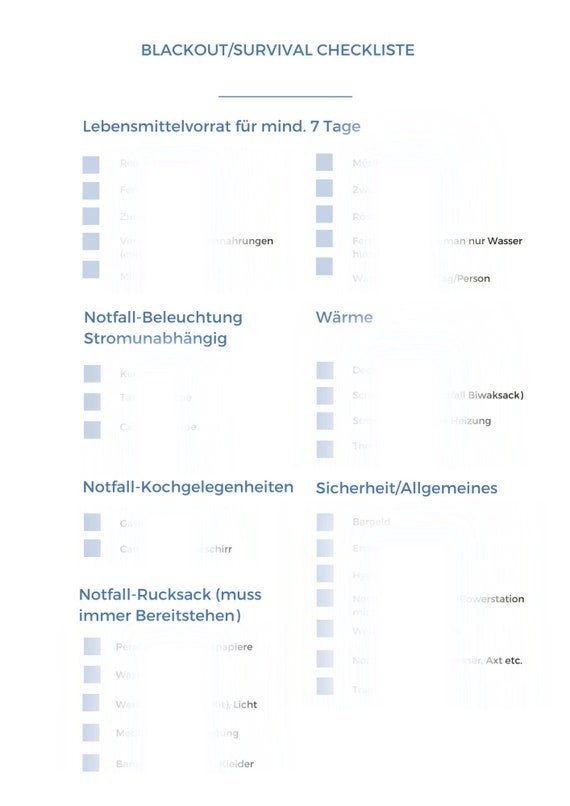
Creating a blackout survival checklist is like packing for a short trip where the destination is uncertain. You want to ensure you have everything you need, from basic supplies to safety gear. The goal is to make sure you can navigate through the darkness with confidence. Let’s break down exactly what you’ll need to ride out a blackout in style.
Understanding Blackouts
Before we jump into your checklist, let’s talk about what a blackout is. Essentially, a blackout is a complete loss of power in a specific area. This can happen for various reasons, including storms, equipment failures, or even planned maintenance by power companies. It can last anywhere from a few minutes to several days, which is why preparation is key.
Now, you might be thinking, “Why does this matter?” Well, understanding the potential causes and duration of a blackout can help you prepare better. For instance, if a severe storm is predicted, it’s a good idea to gather your supplies in advance. Think of it like having an umbrella ready before the rain starts; it’s better to be over-prepared than caught in a downpour without cover.
Basic Supplies You’ll Need
Having the right supplies can make a world of difference during a blackout. Here’s a list of must-haves:
- Flashlights: Always keep a flashlight handy. It’s your best friend when the lights go out.
- Batteries: Make sure you have extra batteries for your flashlights and any battery-operated devices.
- First Aid Kit: Accidents happen, and having a first aid kit on hand is vital for treating minor injuries.
- Non-perishable Food: Stock up on canned goods, granola bars, and other foods that don’t require cooking.
- Water: Aim for at least one gallon of water per person per day.
Gathering these supplies is like building a safety net. You might not need every item every time there’s a blackout, but when you do, you’ll be glad you were prepared.
Keeping Your Food Safe
When the power goes out, your refrigerator and freezer become a concern. Did you know that a full freezer can keep your food safe for about 48 hours if unopened? However, a refrigerator only keeps food safe for about 4 hours. Here are some strategies to protect your food supply during a blackout:
1. Keep the Doors Closed: This is crucial. Every time you open the fridge or freezer, cold air escapes, and the temperature rises.
2. Use Ice: If you anticipate a long blackout, consider using ice packs or bags of ice to keep your fridge and coolers cold.
3. Check Food Safety: After the blackout, check your food. If you’re unsure whether something is safe to eat, it’s better to throw it out.
Honestly, nobody wants to deal with food poisoning on top of a blackout. It’s just not worth the risk!
Communication and Entertainment
Let’s face it—blackouts can get boring, especially if they last a while. But staying connected, even in the dark, can help. Here are some ways to keep the lines of communication open and stay entertained:
– Battery-Powered Radio: This is a great way to stay updated on the situation. You might even hear music or talk shows to keep your spirits high.
– Board Games and Books: Dust off those old board games or grab a stack of books. They can provide hours of entertainment without needing power.
– Charging Devices: If you have a portable charger, keep it charged and ready. This way, you can still use your phone for emergencies, and maybe even to check social media!
You might be wondering, “What if I don’t have a portable charger?” Consider investing in one, or you can always use a car charger if you have a vehicle.
Staying Warm or Cool
Another important factor is temperature control. Depending on the season, you might need to stay warm or cool during a blackout. Here’s how to tackle both situations:
– In Winter: Layer up with blankets, hats, and warm clothing. If you have a safe alternative heat source, such as a fireplace, use it wisely. Just remember to keep it ventilated.
– In Summer: Stay cool with hand fans, wet washcloths, or ice packs placed on pulse points like your wrists and neck. If you have access to a bathtub, fill it with cold water and take cool baths.
Keeping comfortable during a blackout can help ease stress. Remember, nature is your friend—open windows can cool a room or let in a breeze.
Emergency Contacts and Plans
An often overlooked aspect of blackout preparedness is having a communication plan. It’s essential to know who to contact and how to reach them. Here’s what you should consider:
1. Create a List: Write down important phone numbers—family, friends, neighbors, and your local emergency services. Keep this list in an easy-to-access spot.
2. Designate a Meeting Place: If you and your family get separated during the chaos, have a predetermined spot to meet once the power is restored.
3. Share Your Plan: Make sure everyone in your household knows the plan. It’s like having a roadmap; you don’t want to get lost when you need to find your way back.
Having a simple plan can make a stressful situation less chaotic. It’s about creating a sense of security in the midst of uncertainty.
Preparing for a blackout in the 46203 area doesn’t have to be overwhelming. By creating a survival checklist, you can tackle the unexpected with confidence. From gathering basic supplies to ensuring your food stays safe and your family is connected, every step you take makes a difference.
Think of your checklist as a shield against the storm, something that equips you to weather any blackout smoothly. With a little preparation, you can transform a potentially stressful situation into an opportunity for connection and creativity with your loved ones. So, take a deep breath, grab your pen, and start crafting your blackout survival checklist today!

