Honestly, it’s easy to take electricity for granted. We flip a switch, and light fills the room. We charge our phones, brew our coffee, and connect to the world without thinking twice. But when a storm blows through or a squirrel makes a poor life choice near a transformer, that comfort disappears. Let me explain what you should do during a power outage in the 20001 zip code, with simple steps and practical advice tailored for downtown DC living.
Stay Calm and Assess Your Situation
First things first: don’t panic. Power outages in 20001 are rarely dangerous, but they can be inconvenient and, at times, confusing. Take a moment to check your surroundings—are the streetlights out or is it just your apartment? Sometimes, it’s as simple as a blown fuse or a tripped breaker after plugging in that new coffee grinder.
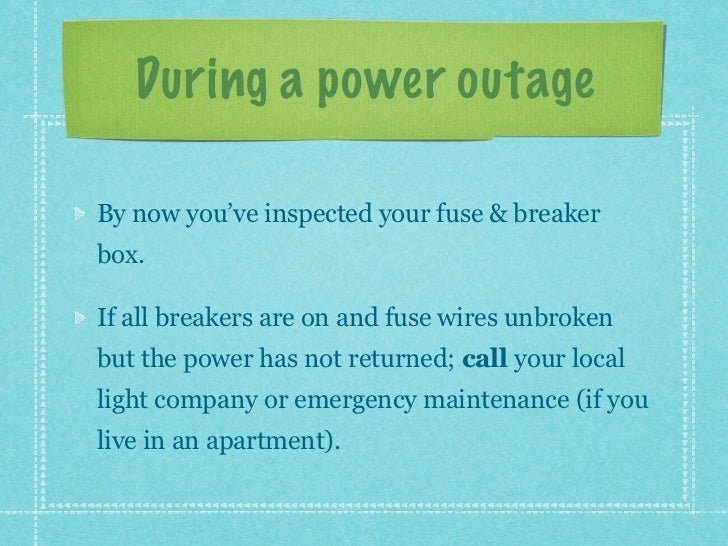
You might be wondering, “How do I know if it’s just me or the whole block?” Here’s the thing: look out your window. If your neighbors’ homes or nearby businesses are also dark, it’s likely a wider power outage. If it’s only your unit, try resetting your circuit breakers or replacing a likely-blown fuse—just use a flashlight, not your phone’s battery (trust me, you’ll want to save that for later). If everything outside looks normal, but your place is dark, call your building manager or landlord before calling the power company.
Staying calm sets the tone for everyone around you, too. If you’ve got roommates, family, or even pets, your reaction helps keep the stress down. In short, breathe, check, and confirm before anything else.
Report the Outage and Get Updates
Once you know it’s not just you, it’s time to report the outage. In the 20001 zip code, you’ll typically be serviced by Pepco, the major electric utility for most of central DC. Grab your phone—ideally not by burning through your last 10% of battery—and call their outage line or use their mobile app, if you can.
Here’s how you can quickly get the ball rolling:
- Use the Pepco Outage Map online to check if your outage is already reported.
- Call Pepco’s outage hotline at 1-877-737-2662 to report a new incident (especially if nothing’s listed yet).
- Follow their Twitter or social media for live updates if your mobile data is working.
- Sign up for outage text alerts or email updates while you have some charge left.
Don’t assume someone else has already reported it; the more reports they get, the faster crews can pinpoint the problem. Also, keep in mind that the zip code 20001 covers multiple neighborhoods—from Shaw to Mount Vernon—so outages aren’t always uniform. Getting updates will help you know what to expect, whether it’s a brief blip or a longer haul.
Preserve Battery Life and Stay Connected
One of the first things people do during a power outage? They check their phones—texting, scrolling, maybe even binge-watching to pass the time. But here’s the catch: your battery is now a lifeline.
To make the most of your remaining juice:
- Turn on your phone’s low power mode.
- Dim the screen brightness and close all unnecessary apps.
- Avoid streaming videos or music to conserve power.
- If you have a portable charger or power bank, now’s the time to use it (or start charging up at the first sign of trouble).
If you’ve got a laptop, you can use it to charge your phone in a pinch—just don’t burn through both batteries unless essential. Consider using a battery-powered or hand-crank radio to get local news and weather updates. It’s low-tech, but during a power outage, low-tech can be the difference between staying informed and being left in the dark (literally and figuratively).
If you’re relying on Wi-Fi, remember that your internet modem and router need power, too. Sometimes, you can connect to a neighbor’s hotspot or local businesses with backup generators. But in a city outage, wireless data might be your best bet for staying in sync with developments.
Keep Food and Water Safe
A power outage in DC’s 20001 isn’t just an inconvenience—it can be a mini science experiment in food safety. The clock starts ticking as soon as the fridge powers down. Here’s how to keep things from spoiling (and avoid a nasty surprise later):
- Keep your refrigerator and freezer CLOSED. Every time you open the door, cool air escapes and speeds up spoilage.
- A full freezer will keep food safe for up to 48 hours; a half-full freezer, about 24 hours.
- If you suspect the outage will last more than a few hours, group food together in the freezer to help it stay cold longer.
- If needed, move perishable items to a cooler with ice packs—especially milk, meat, and leftovers.
You might be tempted to cook up everything while it’s still cold, but remember, electric stoves and microwaves won’t work. If you have a gas stove, be cautious—never use it for heating your apartment, and open a window while cooking to avoid carbon monoxide buildup.
Clean, safe drinking water usually isn’t affected by outages in 20001’s city infrastructure, but if you’re worried, fill containers with tap water as soon as you notice the outage, just in case of pressure drops or incoming boil-water advisories.
Stay Safe in the Dark
Stumbling around your apartment searching for candles feels almost cinematic… until you trip over your dog or stub your toe on the coffee table. Safety should be your top priority during a power outage, especially in larger apartment buildings often found throughout 20001.
Here are some tips for navigating safely:
- Use flashlights or battery-powered lanterns instead of candles to avoid fire hazards.
- Keep a basic emergency kit handy—a small flashlight, extra batteries, and a simple first aid kit can go a long way.
- Check smoke detectors and carbon monoxide alarms; they might be wired into your power system, so some may need backup batteries.
- Unplug sensitive electronics (TVs, computers, chargers) to protect them from power surges when the electricity returns.
If you live in a tall building with electric locks or elevators, make sure you know the manual exit routes. Don’t try to use elevators during an outage—they can get stuck between floors, and you’ll be waiting a lot longer for help than you’d like.
Stay Warm (or Cool) Without Power
Washington, DC weather is unpredictable—cold snaps in the winter, blazing heat in July. When there’s no power in 20001, your HVAC system takes a break, and you’ve got to be a little clever to stay comfortable.
In the winter:
- Layer up—sweaters, socks, and hats help your body retain heat.
- Use blankets and snuggle with pets (or roommates!) for shared warmth.
- Block drafts by rolling up towels or using door snakes under doors and windows.
In the summer:
- Close blinds and curtains to keep the sun’s heat out.
- Stay on lower floors if possible—heat rises, so basements and lower apartments stay cooler.
- Mist yourself with water from a spray bottle and use battery-powered fans for airflow.
Never use outdoor grills, camp stoves, or portable generators indoors—they create deadly carbon monoxide. And if you feel too hot or too cold, don’t wait: seek out air-conditioned or heated public places (libraries, stores, or friends’ places that still have power).
Entertain Yourself and Pass the Time
After the first hour or so, the novelty of a power outage can wear off. You might be stuck in your apartment, waiting for Pepco’s updates in zip code 20001, bored out of your mind as the daylight fades. Here’s where a little old-fashioned creativity goes a long way.
Try these activities:
- Read a physical book by flashlight—or round up your roommates for a dramatic reading session (bonus points for ghost stories).
- Play board games, cards, or charades—something that doesn’t need screens, batteries, or Wi-Fi.
- Go for a walk around the block and check in on neighbors, especially those who might need extra help.
- Journal by hand or start sketching out your next life plan—you might be surprised where your mind wanders in a rare moment of unplugged quiet.
Sometimes, a forced tech break is a blessing in disguise. If you’ve got kids, turn it into an at-home campout—blanket forts, ghost stories, and flashlights under the chin.
Plan Ahead For Next Time
Every power outage is a chance to learn and prepare for the next one. After the lights come back on and the hum of city life returns to 20001, take a few minutes to assess what worked and what didn’t.
Here are a few tips to get ahead:
- Restock your emergency kit with fresh batteries, water, and shelf-stable snacks.
- Sync and reset any clocks, alarms, and appliances that lost their settings.
- Consider investing in portable chargers, battery-powered fans, or even a small generator if you’re in a high-rise or have medical equipment that depends on electricity.
- Review your building’s emergency procedures—know where the exits, stairwells, and backup lighting are located.
Maybe think about how reliant you are on technology—could you go a day without it, if pressed? What would help you stay comfortable next time? A little reflection now can make the next outage in your DC zip code a lot less stressful.
Power outages can feel disruptive, but with a little planning, you’ll handle them like a pro—and maybe even enjoy the break from your screens, just for a while.
When the lights go out in zip code 20001, it’s not just an inconvenience—it’s a curveball for your routine. But with a calm head, the right steps, and a bit of resourcefulness, you’ll keep yourself (and your ice cream) safe. Next time the power takes an unexpected vacation, you’ll know exactly what to do—and who knows, you might even look forward to the extra bit of quiet.

