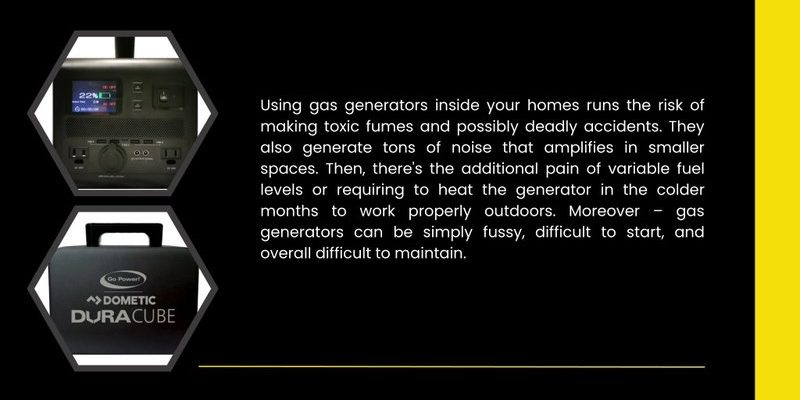
At first glance, both generators and power stations serve the same primary purpose: providing electricity when you need it. However, they operate quite differently. Think of a generator as a big, noisy beast that runs on fuel, while a power station is like a quiet, tech-savvy friend that runs on batteries. In this article, I’ll explain how each works, their pros and cons, and whether you can rely on a power station instead of a generator in your zip code. Let’s get started!
Understanding Power Stations
Power stations, often called portable power stations or battery generators, have become increasingly popular for various uses. They’re compact, easy to use, and can be charged through multiple methods, like an AC outlet, solar panels, or even your car’s battery. Imagine having a mini power plant right in your backpack!
These devices store energy in batteries and can power anything from small gadgets to appliances, depending on their capacity. For example, a typical power station can handle charging phones, laptops, and even small appliances like a mini fridge. You might find brands like Jackery or Goal Zero leading the market, with varying capacities to choose from. With a power station, you can say goodbye to gas and oil—just charge it up and you’re good to go!
How Do Portable Power Stations Work?
Here’s the thing: a power station works by converting the energy stored in its batteries into usable electricity. The real beauty lies in how you can charge it. You can plug it into a wall outlet when you’re home, set it out in the sun to harness solar power, or even connect it to your car while you’re on the road.
Once charged, it uses an inverter to convert DC (direct current) to AC (alternating current), allowing you to power your devices. This makes them incredibly versatile. So whether you’re tailgating, camping, or simply preparing for a power outage, a power station can be a reliable backup that’s quiet and free from fumes.
What About Generators?
Generators are the heavyweight champions of power supply. They run on gasoline, diesel, or propane, and generate electricity through combustion. This means they create power through burning fuel, which can be quite noisy and emit fumes.
If you need a larger amount of power—like for construction sites, big outdoor events, or prolonged outages—a generator may be your best bet. They come in many sizes, from portable units to whole-home generators that can keep everything running when the grid fails. However, the hassle of refueling and maintenance can deter some folks.
Pros and Cons of Generators
When considering whether to use a generator, it’s helpful to weigh the pros and cons:
- Pros: High power output, suitable for heavy-duty appliances, and long run time when fueled properly.
- Cons: Noise, fumes, and the need for regular maintenance and fuel storage.
Understanding these factors can help you determine if a generator is right for your needs, especially in zip code 19104, where regulations and noise ordinances might come into play.
Comparing Power Stations and Generators
Now that we’ve covered both options in detail, let’s get to the heart of your question: Can you use a power station instead of a generator? The answer largely depends on your specific needs.
If you’re looking for something portable and quiet for occasional use—like charging devices or running a small appliance—a power station could easily replace a generator. But if you anticipate a higher demand for power over a longer period, a generator might be necessary.
In areas like zip code 19104, where you might experience seasonal blackouts or enjoy outdoor activities, a power station can provide a reliable, hassle-free approach to maintain power without disturbing the peace around you.
Considerations for Zip Code 19104
Local regulations and your typical electricity needs will ultimately guide your decision. For instance, if you live in an area with strict noise regulations, a power station is likely the better choice. Meanwhile, if you’re frequently hosting large gatherings or working on construction projects, a generator might be more appropriate.
It’s also worth noting the availability of charging options in your area. Zip code 19104 has its share of parks, outdoor events, and even power cut risks in extreme weather, making the option for solar charging a great backup to have if you choose a power station.
Installation and Usage Tips
If you decide to go with a generator, here are some tips for safe installation and usage:
- Keep it Outdoors: Always operate generators outside to avoid carbon monoxide buildup.
- Use a Transfer Switch: This can prevent backfeeding into the electrical grid, which is dangerous and illegal.
- Fuel Storage: Store fuel safely and according to local regulations.
For power stations, remember to fully charge them before your use and keep them in a cool, dry place when not in use. This will extend their lifespan and ensure they’re ready when you need them most.
Final Thoughts
In conclusion, whether you can use a power station instead of a generator in zip code 19104 depends on your specific power needs and personal preferences. Power stations offer a quiet, eco-friendly solution for light to moderate power requirements, while generators provide the heavy-duty output necessary for larger tasks.
As we’ve explored, understanding how each option works and considering your individual circumstances is key to making the right decision. Honestly, if you value portability, ease of use, and environmental factors, a power station could be your best bet. If high power is essential, a generator may still be your go-to.
Whichever path you choose, being prepared can make all the difference in keeping your life running smoothly—whether during a camping trip, a power outage, or just because you want to live life unplugged for a while.

