
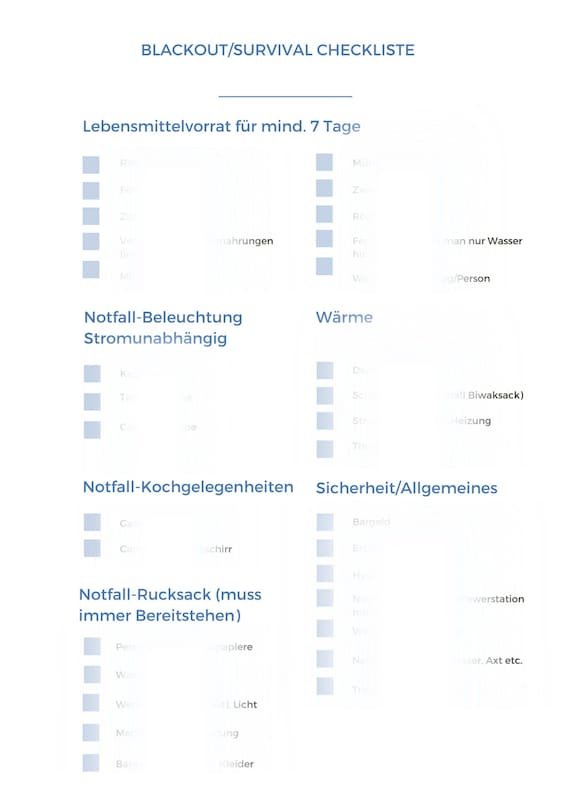
Here’s the thing—being without electricity can disrupt your daily routine, from cooking meals to staying connected with loved ones. It’s not just about sitting in the dark; it’s about ensuring your comfort and safety. So, let’s dive into a comprehensive checklist that will help you survive and thrive when the lights go out.
Understanding the Impact of a Blackout
Blackouts can occur for various reasons, and knowing the possible causes helps you prepare better. First off, severe weather is a common culprit. Thunderstorms, heavy snow, or high winds can take down power lines, plunging neighborhoods into darkness. Sometimes, it’s just as simple as a technical failure at the power plant or routine maintenance that takes longer than expected.
You might be wondering how long a blackout will last. While some outages are resolved within minutes, others can stretch into hours or even days. Preparing for the worst-case scenario means you can feel a little more relaxed, even when the situation feels daunting. After all, imagine you’re camping in your living room. The more gear you have, the smoother the adventure will be.
Creating a Power Outage Kit
A well-stocked power outage kit is your best friend during a blackout. Start with the essentials. You’ll want to gather items that can help you stay safe and comfortable. Here’s what to include:
- Flashlights and extra batteries: These can light your way and make moving around safer.
- Candles: Keep a few on hand for ambiance, but remember to use them safely.
- Portable phone chargers: These are lifesavers when you need to keep your devices alive.
- First aid kit: A basic kit can help you address minor injuries.
- Non-perishable food: Think canned goods and snacks that don’t require cooking.
Consider including a battery-powered radio. It can be a great source of information and entertainment during an outage. Imagine sitting around listening to the radio with your family, sharing stories or even playing games to pass the time.
Food and Water Preparation
Food safety is crucial during a blackout. The U.S. Department of Agriculture recommends keeping your refrigerator and freezer closed as much as possible. For a fuller freezer, food can remain frozen for about 48 hours. But it’s wise to stock up on non-perishable food items beforehand.
When planning meals, consider foods that don’t need cooking or can be easily prepared. Here are a few ideas:
- Granola bars: Easy to grab and sustaining.
- Canned fruits: Delicious and nutritious.
- Trail mix: A great snack that packs a punch.
Don’t forget about water. Aim for at least one gallon of water per person per day for at least three days. This amount covers drinking and basic hygiene needs. Keeping a few large water bottles handy is a smart strategy to stay hydrated and prepared.
Staying Connected During an Outage
In our tech-driven world, staying connected during a blackout can be a challenge. First things first, make sure your cell phone is fully charged before an outage hits. It’s also a good idea to have a power bank or portable charger in your kit, so you can keep your devices running.
Consider a landline as a backup. If your cell service fails, a traditional phone might still work. While these can feel a bit old-school, they offer reliable communication when you most need it. You might also want to jot down important phone numbers on paper; it’s a simple step that can make a big difference if you can’t access your contacts.
Here’s a practical tip: set up a communication plan with family and friends. Agree on how you’ll check in with each other during an outage. This way, everyone knows where to look or whom to call in case of emergency.
Safety Tips for Dealing with Blackouts
Safety should always be your top priority during a blackout. It can be easy to overlook, especially when you’re focused on making things comfortable. But here are some crucial safety tips to remember:
1. Avoid using candles unattended. They can pose a fire hazard.
2. Keep generators outside and away from windows. Carbon monoxide is a silent killer.
3. Unplug appliances before the power comes back. When power is restored, surges can damage your electronics.
4. Check on neighbors, especially the elderly or those with special needs. They might need help.
Also, it’s essential to have a working flashlight and batteries easily accessible. There’s nothing worse than fumbling around in the dark when you need light the most. You could even set up a flashlight station in a common area of your home, so everyone knows where to find one when the situation arises.
Preparing for Extended Blackouts
Not all blackouts are short-lived. In some cases, you might find yourself without power for multiple days. Preparing for a longer blackout involves extra considerations:
– Consider a generator if you live in an area prone to frequent outages. These can keep your refrigerator running and power up essential devices.
– Stock up on more food and water than usual. Having a larger supply means you won’t be caught off guard if the blackout lasts longer than anticipated.
– Think about your heating and cooling needs. If you rely on electric heating or air conditioning, a backup plan is necessary. Think about layers during winter outages and fans during summer.
When you prepare for extended blackouts, you create a safety net that helps you avoid last-minute scrambling when things go south.
Emergency Contacts and Resources
Having emergency contact numbers handy is a game-changer during a blackout. Create a list of important contacts, including:
– Local utility companies: They can provide updates on outages and restoration efforts.
– Neighbors’ numbers: This helps everyone stay informed and support each other.
– Local emergency services: Always keep these on hand, just in case.
Store this list in a visible place in your home and keep a copy with your emergency kit. This way, everyone in your household knows where to find it.
Additionally, you can also tune into your local news stations or follow their social media accounts. They often provide real-time updates that can help you navigate uncertain situations.
Final Thoughts on Blackout Preparedness
Dealing with a blackout can feel overwhelming, but having a well-thought-out plan can ease your mind. Think of it as an adventure—you don’t want to be caught unprepared. With the right tools and knowledge, you can turn a stressful situation into a manageable one.
From gathering your power outage kit to creating a communication plan, every step you take now can make a significant difference when the lights go out. Ultimately, being proactive and prepared can help ensure that when the unexpected happens, you’re ready to face it head-on. So gather your supplies, make your lists, and rest easy knowing you’re set for whatever comes your way in the 19106 zip code.

